Botulinum toxin has become a cornerstone in aesthetic medicine and therapeutic treatments worldwide. However, many patients and even some new clinicians are unsure about the differences between the various types of botulinum toxins, their applications, and safety considerations. This article aims to answer the most frequently asked questions, providing a comprehensive guide to understanding botulinum toxin types, their uses, and important clinical considerations.
1. What are the types of botulinum toxins?
Botulinum toxins are neurotoxins produced by the bacterium Clostridium botulinum. There are seven recognized serotypes, labeled A through G. Not all are used in medical practice; only types A and B are widely employed clinically.
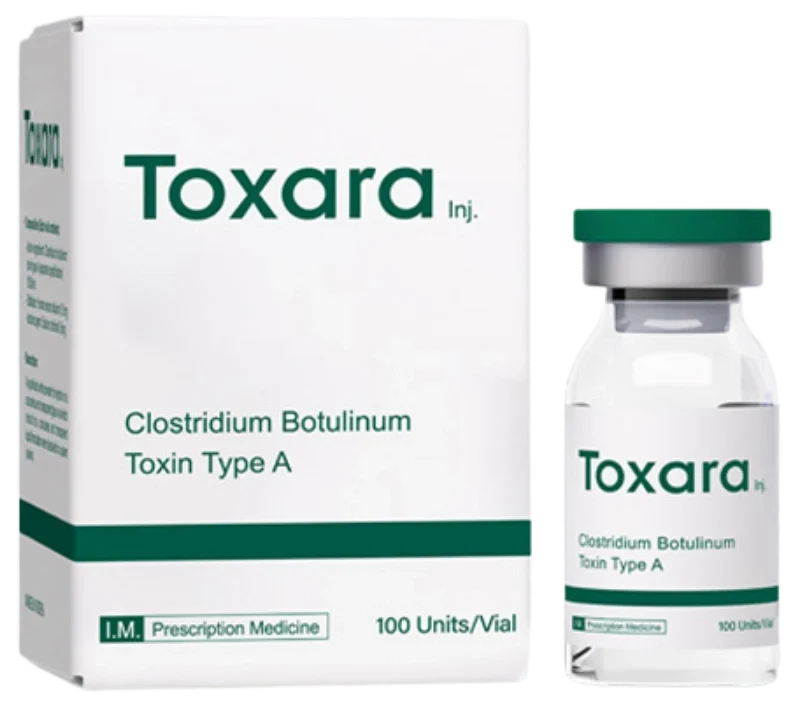
- Type A: The most commonly used in aesthetics and therapeutic treatments. It blocks nerve signals to muscles, reducing contractions. Examples include Botulax, Nabota, ReNTox, Toxara.
- Type B: Used less frequently, primarily in cases where patients develop resistance to type A. Examples include Myobloc/NeuroBloc.
- Types C–G: Rarely used in medicine; mainly studied in laboratories for research purposes.
When patients hear “botulinum toxin,” they usually mean type A, as it is the most common for wrinkle reduction and cosmetic procedures.
2. How do different types of botulinum toxins work?
Botulinum toxins work by blocking the release of acetylcholine, a neurotransmitter responsible for muscle contraction. This results in temporary muscle relaxation, which can reduce wrinkles, relieve muscle spasms, or treat certain medical conditions.
Differences in mechanism:
- Type A: Long history of use; effects last 3–6 months depending on dose, area, and patient metabolism.
- Type B: Shorter duration (2–4 months) and often used when type A is ineffective due to antibody formation.
- C–G: Experimental; not approved for aesthetic or therapeutic treatments.
3. What are the main clinical uses of different botulinum toxin types?
Botulinum toxins are versatile, with applications ranging from aesthetics to neurology.
Aesthetic uses:
- Reducing fine lines and wrinkles (forehead, glabella, crow’s feet)
- Lip lift and smile correction
- Jaw slimming (masseter reduction)
- Neck lines and platysma bands
Therapeutic uses:
- Cervical dystonia (neck muscle spasms)
- Hyperhidrosis (excessive sweating)
- Migraine prophylaxis
- Muscle spasticity in cerebral palsy or post-stroke
- Bladder dysfunction
Note: Type B is generally reserved for patients who no longer respond to type A, mainly in therapeutic applications.
4. Are there differences in effectiveness among botulinum toxin brands?
Yes. Although all type A botulinum toxins work similarly, brands may vary in:
- Potency: Units are not interchangeable between brands. 1 unit of Botulax ≠ 1 unit of Toxara or Nabota.
- Formulation: Some are protein-free , which may reduce the risk of antibody formation.
- Onset and duration: Slight differences in how quickly results appear and how long they last.
- Clinical studies: Each brand has unique published data supporting safety and efficacy.
Example: Toxara Botulinum Toxin has been clinically validated for predictable results, high purity, and stable long-lasting effects.

5. What are common side effects?
Botulinum toxin treatments are generally safe, but side effects can occur:
- Mild swelling or bruising at injection site
- Temporary headache or flu-like symptoms
- Localized muscle weakness
- Eyelid drooping (rare)
- Dry mouth (more common with type B)
Important: Most side effects are temporary and resolve within days to weeks. Using experienced clinicians minimizes risks.
6. Can patients develop resistance to botulinum toxins?
Yes. Resistance occurs when the body produces antibodies against the toxin, reducing effectiveness.
More common with type A, especially with frequent high doses
Type B may be an alternative for resistant patients
Using highly purified formulations (e.g., Toxara) reduces risk
7. How to choose the right type for a patient?
Clinicians consider several factors:
- Treatment goal: Cosmetic wrinkle reduction vs therapeutic intervention
- Previous response: If resistance occurs, type B may be preferred
- Area of injection: Some muscles respond better to certain brands or types
- Patient health and history: Allergies, neuromuscular conditions, and other medications
A careful evaluation ensures safe and effective outcomes.
8. FAQs about botulinum toxins for patients
Q1: Are botulinum toxins safe?
A: Yes, when administered by trained professionals. They are FDA-approved and widely studied.
Q2: Do injections hurt?
A: Mild discomfort is common; topical anesthesia can reduce pain.
Q3: When will I see results?
A: Effects typically appear within 3–7 days for type A, fully visible at 2 weeks.
Q4: Can I combine with other treatments?
A: Yes. Botulinum toxins can be combined with fillers, PRP, or skin boosters for comprehensive results.
Q5: Is there downtime?
A: Minimal. Most patients resume normal activities immediately.
Conclusion
The term “types of botulinum toxins” encompasses a variety of formulations and serotypes, but in practice, most treatments involve type A, with type B as a secondary option. Understanding differences in mechanism, potency, duration, and clinical applications helps both patients and clinicians make informed decisions.
For patients, this knowledge ensures realistic expectations, safety, and satisfaction. For clinicians, it provides a roadmap to select the right toxin, dose, and technique for each treatment scenario.