Botulinum toxin treatment is a minimally invasive procedure that involves injecting small, purified doses into targeted muscles or glands. It is commonly used in both aesthetic and medical practice to temporarily reduce muscle activity and improve related functional or cosmetic concerns.
Cosmetic Applications
In aesthetic medicine, botulinum toxin is commonly used to treat dynamic facial expression areas such as the forehead, around the eyes, and the jawline. It helps reduce the appearance of wrinkles caused by repeated muscle movement.
Common treatment areas include the forehead, frown lines, crow’s feet, chin, neck, and jawline.
Medical Applications
In medical practice, botulinum toxin has been widely used for the treatment of neuromuscular and gland-related conditions, including:
- Cervical dystonia
- Chronic migraine
- Hyperhidrosis (excessive sweating)
- Muscle spasticity in upper and lower limbs
- Overactive bladder
- Blepharospasm
Treatment decisions should always be made by a qualified healthcare professional based on individual clinical evaluation.
Is Botulinum Toxin Safe?
Botulinum toxin is a prescription treatment derived from Clostridium botulinum and used in highly purified, controlled forms in medical practice.
When administered by qualified healthcare professionals under appropriate conditions, it is generally considered safe and well-studied.
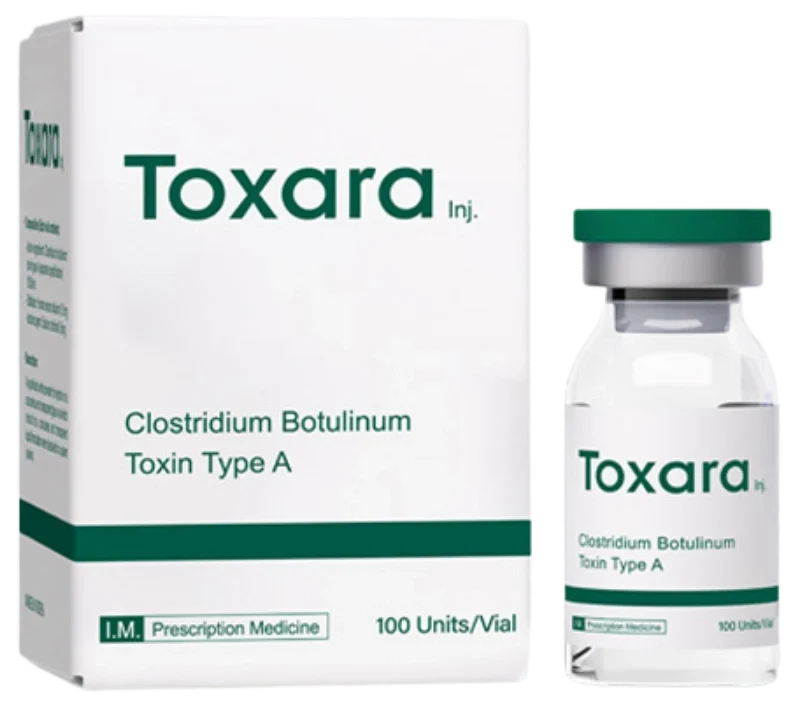
Different formulations exist in clinical practice, and healthcare providers may select specific products based on treatment needs. For example, Toxara Botulinum Toxin Type A is a popular option known for its precision and reliability.

What to Expect: Before, During, and After Treatment
1. Before treatment
Before the procedure, a consultation is required to evaluate medical history and determine suitability. In some cases, topical anesthetics or ice may be used to improve comfort.
2. During treatment
Botulinum toxin injections are performed using a fine needle to deliver small amounts into targeted muscles or glands. The number of injections depends on the treatment area and clinical plan.
3. After treatment
Patients are usually advised to avoid rubbing or massaging the treated area for 24 hours and to follow all post-treatment instructions provided by their healthcare professional. Most individuals can return to normal daily activities shortly after the procedure.
How Long Does Botulinum Toxin Last?
Results typically appear within a few days and reach full effect within 1–2 weeks. The effects generally last between 3 to 6 months, after which muscle activity gradually returns.
To maintain results, repeat treatments may be required under medical supervision.
Possible Side Effects
Most side effects are mild and temporary, including:
- Redness, swelling, or bruising at the injection site
- Mild headache or discomfort
- Temporary sensitivity in the treated area
Rare side effects may include temporary muscle weakness or eyelid drooping. Patients should seek medical attention if severe or unusual symptoms occur.
Who Should Not Receive Botulinum Toxin Treatment?
Botulinum toxin treatment is not suitable for individuals with:
- Known hypersensitivity to ingredients
- Neuromuscular disorders
- Active infections or acute illness
- Pregnancy or breastfeeding
- Unstable chronic medical conditions
It should also be used with caution in patients taking medications that affect neuromuscular transmission.
Conclusion
Botulinum toxin treatment is a widely used medical and aesthetic procedure with well-documented applications in both cosmetic and therapeutic fields. When performed by qualified professionals, it offers predictable results with a well-established safety profile.