In aesthetic medicine, two of the most commonly used treatments are dermal fillers and botulinum toxin. While both are widely employed to enhance facial appearance, they work in very different ways and are suitable for different goals. Knowing how these treatments work and what they target is important for anyone planning cosmetic procedures or for practitioners.
How Dermal Fillers Work
Dermal fillers are gel-like substances injected beneath the skin to restore lost volume, smooth wrinkles, and enhance facial contours. The most common type of filler is based on hyaluronic acid (HA), a naturally occurring substance in the skin that helps maintain hydration and elasticity.

Dermal fillers can be used for a variety of purposes:
- Plumping the lips and improving their shape
- Filling under-eye hollows and tear troughs
- Smoothing nasolabial folds and marionette lines
- Restoring volume in cheeks and temples
- Enhancing jawline definition
The effects of dermal fillers are typically immediate and can last from 6 months to over a year, depending on the product type and treatment area.
How Botulinum Toxin Works
Botulinum toxin works differently from dermal fillers. Instead of adding volume, it relaxes specific muscles by temporarily blocking nerve signals, reducing dynamic wrinkles caused by facial expressions.
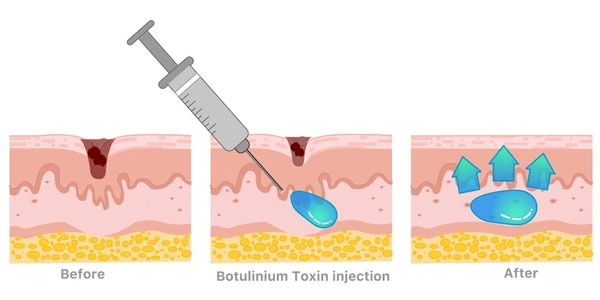
Botulinum toxin is commonly used for:
- Forehead lines and glabellar frown lines
- Crow’s feet around the eyes
- Brow lifting and smile adjustments
- Jaw slimming (masseter reduction)
- Treating medical conditions such as hyperhidrosis or muscle spasms
Results from botulinum toxin typically appear within 3–7 days, with full effect at around 2 weeks, and last approximately 3–6 months.
Key Differences Between Dermal Fillers and Botulinum Toxin
While both treatments are injectables, they differ in mechanism, purpose, and results:
|
Dermal Filler |
Botulinum Toxin |
|
|
Active Ingredient |
Hyaluronic acid or similar gel | Botulinum toxin type A |
|
Mechanism |
Adds volume under the skin | Relaxes muscles |
|
Onset of Effect |
Immediate | 3–7 days |
|
Duration |
6–18 months | 3–6 months |
|
Best For |
Lips, cheeks, under eyes, jawline | Forehead, glabella, eyes, jaw |
|
Treatment Time |
30-60 minutes | 10-15 minutes |
Understanding these differences helps patients choose the right treatment for their individual goals.
Combining Dermal Fillers and Botulinum Toxin
Many clinicians combine both treatments for a comprehensive approach, addressing both volume loss and muscle-related wrinkles for optimal facial harmony.
For instance:
- Fillers can restore cheek volume while botulinum toxin smooths crow’s feet
- Lip fillers add fullness while botulinum toxin adjusts smile lines
- Jawline contouring with filler can be complemented by masseter relaxation with botulinum toxin
This combined approach creates a balanced, natural-looking result, enhancing facial harmony more effectively than either treatment alone.
Conclusion
The primary difference between dermal filler and botulinum toxin lies in how they work: fillers restore volume and shape, while botulinum toxin relaxes muscles to reduce dynamic wrinkles. Both treatments are valuable tools in modern aesthetic medicine, and the best results often come from a carefully planned combination of the two.
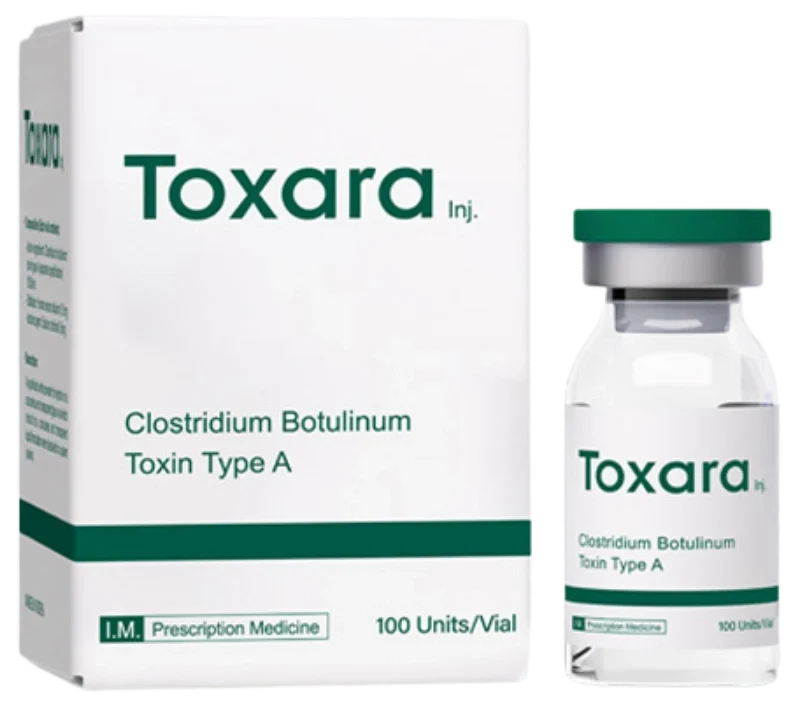
If you are considering cosmetic treatments, consult a licensed professional and ensure that you use genuine products from trusted suppliers, such as Toxara botulinum toxin, to achieve safe, reliable, and natural-looking results.