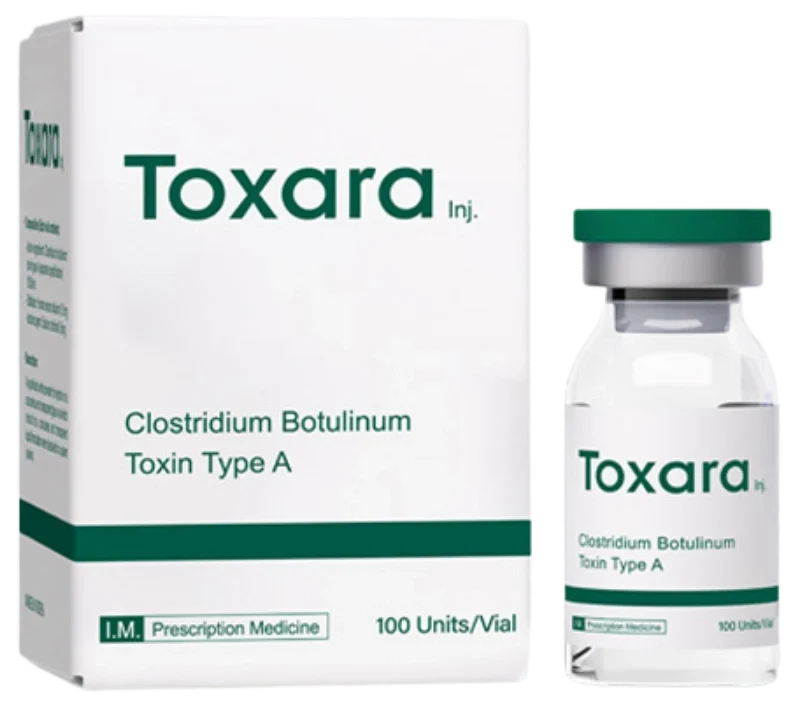
Botulinum toxin is widely used in both aesthetic medicine and clinical practice due to its ability to temporarily reduce muscle activity and modulate nerve signaling. It is one of the most commonly performed injectable treatments for both cosmetic and therapeutic purposes.
This article explores the key effects of botulinum toxin on the skin and body, including its aesthetic and medical applications.
How Botulinum Toxin Works
Botulinum toxin works by temporarily blocking the transmission of nerve signals to targeted muscles. This leads to a reduction in muscle activity in the treated area.
As a result, muscles are relaxed, which helps reduce dynamic movement-related skin changes and supports its therapeutic use in conditions involving muscle overactivity.
Botulinum toxin treatments are minimally invasive procedures typically performed in clinical settings using fine needles.

Aesthetic Effects
The most common aesthetic effect of botulinum toxin is the reduction of dynamic facial wrinkles, including frown lines, crow’s feet, and forehead lines.
Other aesthetic applications include:
- Jawline contouring through masseter muscle relaxation
- Gummy smile correction
- Brow positioning adjustments
- Facial symmetry refinement
These effects are achieved through temporary modulation of muscle activity rather than permanent changes to skin structure.
Therapeutic Medical Effects
Beyond aesthetic use, botulinum toxin is widely used in clinical practice for a range of neuromuscular and gland-related conditions.
Chronic Migraine
Botulinum toxin may help reduce the frequency and severity of chronic migraine episodes in selected patients by modulating pain-related nerve activity and reducing muscle tension.
Hyperhidrosis (Excessive Sweating)
In cases of hyperhidrosis, botulinum toxin temporarily blocks the release of acetylcholine, reducing overactive sweat gland stimulation.
Urinary Incontinence
Botulinum toxin can be used under medical supervision to reduce involuntary bladder muscle contractions, helping improve bladder control in selected patients.
Other Medical Uses
It is also used in the management of conditions such as cervical dystonia, muscle spasticity, blepharospasm, and other movement disorders.
Safety and Clinical Use
Botulinum toxin is a prescription medicine derived from Clostridium botulinum and used in highly purified and controlled medical forms.
When administered by qualified healthcare professionals, it is generally considered safe and well-studied. Treatment decisions should always be based on proper medical evaluation and patient suitability.
Conclusion
Botulinum toxin demonstrates a wide range of effects across both aesthetic and therapeutic fields. Its primary mechanism is temporary neuromuscular modulation, making it effective for reducing facial wrinkles and managing conditions associated with muscle overactivity.
While botulinum toxin has both cosmetic and medical effects on the skin and body, some users are also interested in how these effects develop over repeated treatments. To learn more, read our guide on the long-term effects of botulinum toxin.