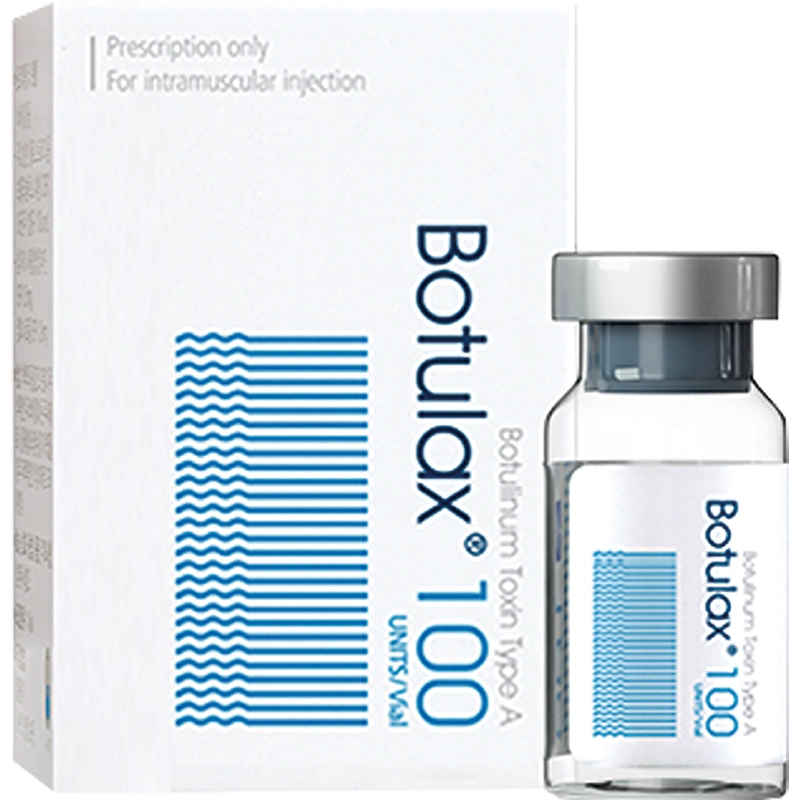
Nabota and Botulax, two leading Korean botulinum toxin products, have gained traction for their safety and efficacy. Nabota is praised for its high purity and fast-acting results, while Botulax is appreciated for its affordability and consistent performance. Both are increasingly viewed as strong alternatives to traditional treatments.
In this article, we will compare Nabota vs Botulax, exploring their ingredients, benefits, and clinical applications to help you make an informed decision based on your aesthetic goals.

Overview of Botulax
Botulax is a botulinum neurotoxin type A developed by Hugel Pharma, a well-established Korean pharmaceutical company specializing in medical and cosmetic treatments.
Botulax is a botulinum toxin type A supplied as a lyophilized powder for reconstitution. It is typically available in 100U, 200U and 300U vials, with human serum albumin and sodium chloride as stabilizers.
Overview of Nabota
Nabota is a brand of botulinum toxin treatments manufactured by Daewoong Pharmaceutical. It is internationally recognized under the brand name Jeuveau in certain markets.
Nabota is a botulinum toxin type A supplied as a lyophilized powder, commonly available in 100U and 200U vials. It features a high-purity formulation achieved through advanced purification technology.
Onset of Action Comparison
While Nabota and Botulax share similar core ingredients, the key difference lies in the purity and manufacturing process. Nabota’s high-purity formulation allows for a quicker onset of action, providing visible results within 2 to 3 days.
While effective, Botulax may take slightly longer to show results, typically around 5 to 7 days. Additionally, Botulax is often considered more cost-effective, making it an attractive option for budget-conscious patients.
Duration of Effect Comparison
The duration of effect for Nabota and Botulax varies. Nabota typically lasts around 3-4 months, while Botulax may last up to 5 months. This difference is significant when considering treatment plans and follow-up schedules for patients. Tailoring the choice between Nabota and Botulax based on individual factors like muscle strength and metabolic rate is vital for achieving optimal outcomes.
Comparing Nabota vs. Botulax’s Indications
Although Nabota and Botulax have a highly comparable efficacy, how about discussing the ideal cases of injecting each of them right away?
When Botulax May Be the Better Choice
As investigational dermatology shows, Botulax might be a beneficial option that easily helps to achieve desired outcomes under the following circumstances:
- Masseter reduction;
- Trapezius slimming;
- Hyperhidrosis treatments;
- Patients prioritizing affordability;
- Large treatment areas.
Thus, Botulax is preferred for broader areas like forehead wrinkles while Nabota is better for precision treatments.
When Nabota May Be the Better Choice
Nabota, in its turn, is an effective treatment that might have better clinical outcomes and more positive patient feedback under these conditions:
- Glabellar lines and crow’s feet;
- First-time botulinum toxin patients;
- Patients seeking faster results;
- Precision-focused facial treatments.
Also, Nabota is sometimes preferred for patients who become resistant to other brands due to its purity and formulation. It brings significant improvements in wrinkle reduction and visible aging signs diminishment for patients who already tried other botulinum neurotoxin options as part of their aesthetic procedures in the past.
Safety and Side Effects
Like other botulinum toxin products, both Nabota and Botulax are generally well-tolerated when administered by a qualified professional. Common mild side effects include bruising, swelling, redness at the injection site, temporary headaches, or slight muscle weakness — all of which typically resolve within a few days.
Although rare, serious side effects such as allergic reactions, difficulty swallowing, or muscle weakness may occur. Patients should seek immediate medical attention if they experience any concerning symptoms.
Patient Outcomes and Satisfaction
Nabota patients generally report high levels of satisfaction, often appreciating the quick onset of results within a few days. Nabota before and after photos frequently show significant improvements in wrinkles and fine lines.
Botulax has also garnered positive patient reviews. Testimonials often highlight its effectiveness in reducing facial wrinkles and achieving a natural look. Satisfaction rates for both products remain consistently high. Want to hear what real users are saying? Read our authentic Botulax Reviews today.
Conclusion
All in all, the choice between Nabota and Botulax should be made in consultation with a qualified medical professional since there is no universal “winner.” Both botulinum toxin type A products offer excellent safety, efficacy, and versatility when used by qualified medical professionals.
Botulax stands out for its affordability and adaptability across larger treatment areas; Nabota excels in purity, precision, and faster onset, making it ideal for detailed aesthetic work.
These differences are essential for managing patient expectations and planning effective treatment. Medical professionals should consider these variations to align the product with the patient’s treatment goals, ensuring optimal results within an expected timeframe.