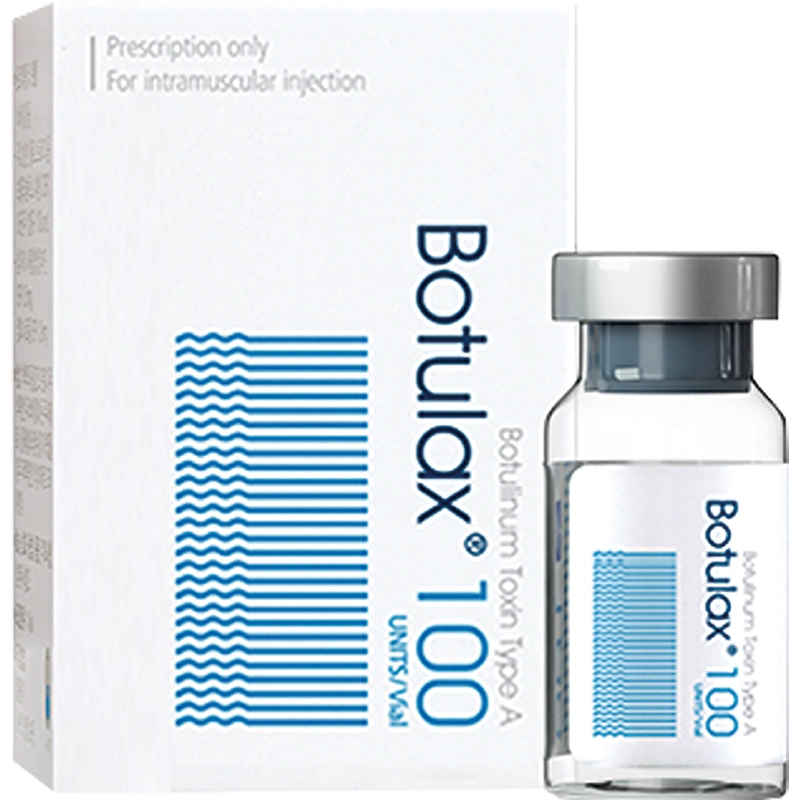
When looking at botulinum toxin products, you’ll often see specs like 50 units, 100 units, or 200 units printed on the label. But what do those numbers actually mean? Not everyone interprets them correctly.
Units are not a measure of volume. They measure the biological activity of the toxin. In practice, this is what helps clinicians determine how much to use for a given treatment area. Not all botulinum toxin units are created equal across brands, and knowing why helps avoid costly mistakes.
What Are Botulinum Toxin Units?
Botulinum toxin units are a measure of biological activity, not physical quantity. Unlike milligrams or milliliters, units do not tell you how much product is in the vial. They tell you how potent the toxin is, based on laboratory testing.
For clinicians, units serve as a practical reference for how much to dilute and inject for different treatment areas, but the actual dose used will vary depending on the patient, the muscle group being treated, and the desired outcome. Units provide a starting point, not a fixed rule, and should always be determined by a qualified practitioner following clinical protocols.
Are Botulinum Toxin Units the Same Across Different Brands?
One common misunderstanding is assuming that 100 units from one brand are directly equivalent to 100 units from another brand.
In reality, unit measurements are product-specific. Each manufacturer defines its own units according to its specific formulation and testing methods. Different botulinum toxin brands may have different formulations, manufacturing processes, and potency testing methods.
For this reason, professionals should evaluate each product according to its own specifications, clinical experience, and manufacturer information rather than comparing units alone.
Why Are 100 Units a Common Botulinum Toxin Product Size?
A 100-unit vial is one of the most commonly recognized formats in the botulinum toxin market.
For many common aesthetic procedures, a single vial provides enough product for multiple treatment areas in one session, without excessive waste. This makes it a cost-effective option for clinics, as unused product cannot be stored for later use after reconstitution.
From a distributor perspective, the 100-unit size also simplifies inventory management. It offers a middle ground between smaller vials (which may require frequent reordering) and larger ones (which may not suit all clinic needs), making it a versatile choice across different practice sizes.
For clinicians, the format is familiar and easy to work with, requiring minimal calculation adjustments across different treatment protocols.
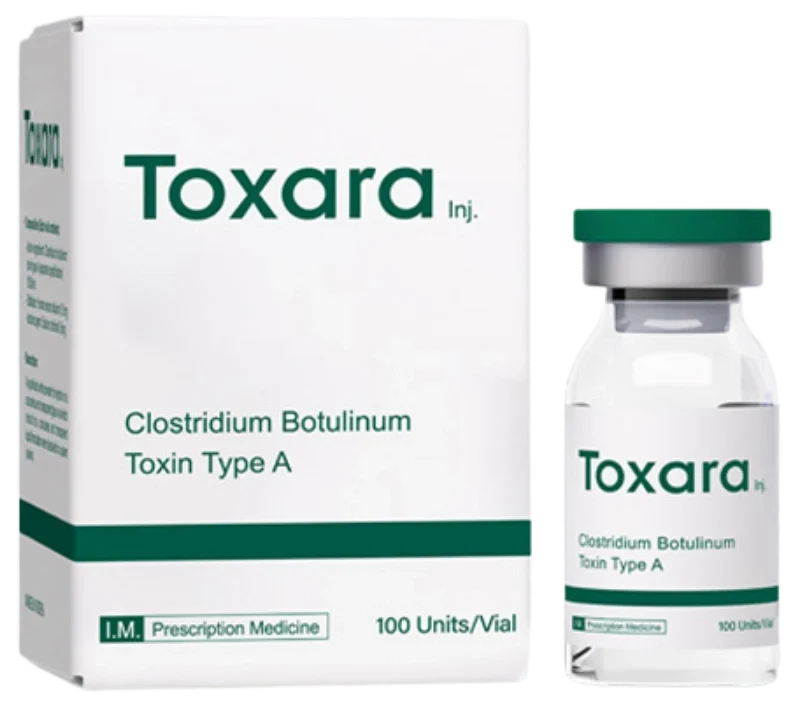
Toxara 100 Units: A Professional Botulinum Toxin Option
Toxara 100 Units is designed for aesthetic practitioners who value consistency in daily use. The product reconstitutes smoothly, with a purity level of 99.9% and clear labeling on each vial to support efficient preparation and treatment delivery. Manufactured under strict quality controls, Toxara ensures that each batch delivers consistent biological activity, so clinicians can expect the same performance every time.

For clinics and distributors, Toxara combines high purity with competitive pricing and reliable supply, making it a practical choice for practices of all sizes. The 100-unit vial format covers most common aesthetic indications in a single session, helping minimize product waste while simplifying inventory management.
To learn more about Toxara’s product specifications, pricing, or partnership opportunities, please contact our team.
Conclusion
Botulinum toxin units are not interchangeable across brands, and understanding this distinction is key when evaluating product options. For clinics and distributors, the practical takeaway is simple: look beyond the number on the label and consider the full product profile. Toxara offers a combination of high purity and competitive value in a 100-unit format that fits routine aesthetic practice.