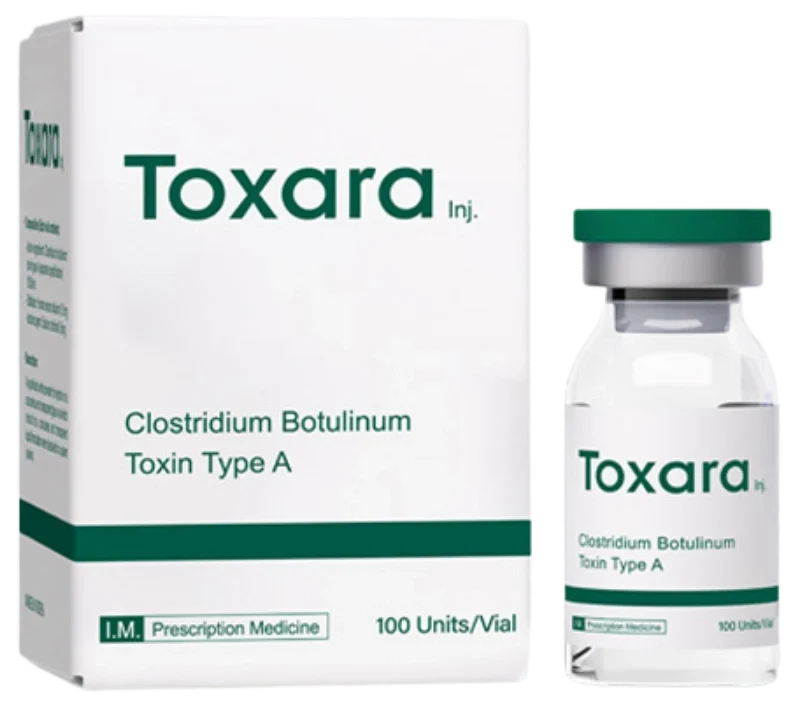
After receiving botulinum toxin injections, many people have questions about what they can and cannot do during the recovery period. One common concern is whether drinking alcohol after treatment can affect the results.
In general, alcohol does not directly interfere with how botulinum toxin works. However, many professionals recommend avoiding alcohol for a short period after treatment to reduce the chance of temporary discomfort around the injection areas.
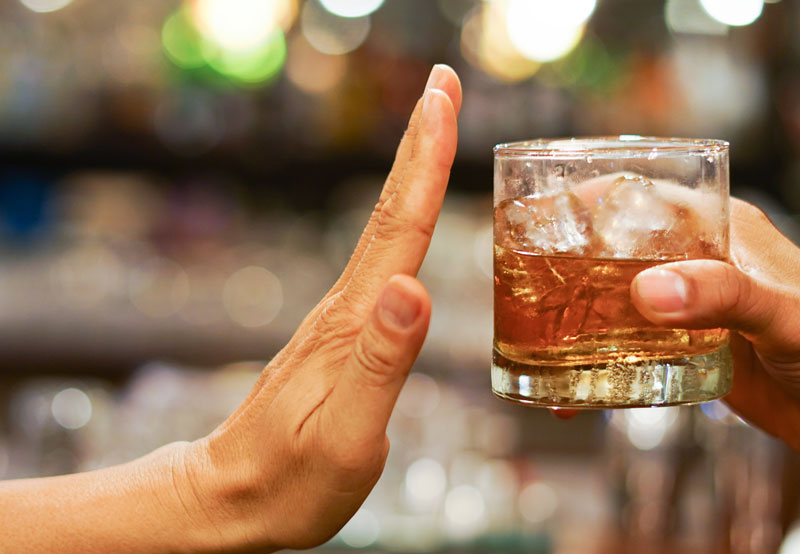
Does Alcohol Affect Botulinum Toxin Results?
No, alcohol does not reduce the effectiveness of botulinum toxin. Alcohol does not break down botulinum toxin or prevent it from working on targeted muscles. The results of botulinum toxin treatment are mainly influenced by factors such as the injection area, dosage, muscle activity, and individual metabolism.
However, while alcohol does not affect the mechanism of botulinum toxin, it may influence the condition of the skin after treatment. Alcohol can cause blood vessels to dilate, which may increase the likelihood of temporary redness, swelling, or bruising in some individuals.
Therefore, avoiding alcohol immediately after treatment is mainly recommended to support a more comfortable recovery, not because alcohol would make botulinum toxin ineffective.
Why Is Alcohol Avoided After Botulinum Toxin Treatment?
1. It May Increase the Risk of Bruising
Botulinum toxin injections involve using fine needles to deliver the product into targeted areas. After treatment, the injection sites need time to recover.
Alcohol may affect blood vessel responses, which can make some people more likely to experience bruising, especially those who are prone to skin sensitivity or bruising.
2. It May Increase Facial Redness or Sensitivity
After drinking alcohol, some people experience facial flushing, warmth, or redness.
When the skin has recently received injections, alcohol consumption may make these temporary reactions more noticeable and affect overall comfort after treatment.
3. It May Affect Overall Post-Treatment Condition
The effects of botulinum toxin develop gradually after treatment. During this period, maintaining healthy daily habits can help support a more comfortable treatment experience.
Although occasional alcohol consumption does not change how botulinum toxin works, excessive drinking may affect sleep quality and overall recovery.
How Long Should You Wait to Drink Alcohol After Botulinum Toxin?
Many professionals recommend avoiding alcohol for at least 24 hours after botulinum toxin injections. The recommended waiting time may vary depending on individual factors, the treatment area, and professional guidance.
For individuals who are more likely to experience bruising or who receive treatment in multiple areas, a longer waiting period may be suggested. Following the advice of the treating professional is more important than following a fixed timeline.
Can You Drink Alcohol Before Botulinum Toxin Treatment?
Alcohol consumption before treatment is also worth considering.
Drinking alcohol before botulinum toxin injections may increase the likelihood of bruising after treatment. Therefore, if you are planning a botulinum toxin procedure, reducing or avoiding alcohol beforehand may help create a better treatment experience. Maintaining good overall condition before treatment can support a smoother procedure and recovery process.
What If You Drink Alcohol After Botulinum Toxin Injections?
Having a small amount of alcohol after treatment usually does not mean that botulinum toxin will stop working or that the results will be affected.
If you have already consumed alcohol, avoid excessive drinking and continue following the aftercare recommendations provided by your healthcare professional.
If you experience significant swelling, prolonged discomfort, or any unusual reactions, consult your provider for further advice.
Conclusion
So, can you drink alcohol after botulinum toxin injections? Yes, but it is generally recommended to avoid alcohol immediately after treatment.
Alcohol does not directly affect the results of botulinum toxin, but avoiding it for a short period after injections may help reduce the chance of bruising, redness, and other temporary discomfort, allowing for a more comfortable recovery experience.
If you want to learn more about how to prepare for botulinum toxin treatment and what to avoid afterward, explore our guide on What Not To Do Before And After Botulinum Toxin.