Forehead lines are one of the most common areas treated with botulinum toxin. As the forehead muscles repeatedly contract during facial expressions such as raising the eyebrows, frowning, and other daily movements, horizontal lines on the forehead may gradually become more noticeable over time.
For individuals looking to improve forehead lines, treatment cost is often an important consideration. Unlike some aesthetic treatments with fixed pricing, the cost of botulinum toxin treatment does not follow a standard rate. The final price can be influenced by several factors, including the number of units used, product type, treatment plan, and location. Understanding these factors can help provide a clearer idea of the potential cost of forehead botulinum toxin treatment.

What Is the Average Cost of Botulinum Toxin for Forehead Lines?
Botulinum toxin treatment for forehead lines is usually priced based on the number of units used rather than a fixed fee per injection session.
In general, forehead line treatment may require approximately 10–20 units of botulinum toxin. In the U.S. market, the cost of forehead botulinum toxin treatment is typically around $100–$600 or more. When calculated by unit, the price is usually around $10–$20 per unit. However, the final cost is not determined by the treatment area alone and will depend on each individual’s facial condition and treatment plan.
Why Does the Cost of Forehead Botulinum Toxin Treatment Vary?
Unlike dermal fillers, which are often priced per syringe, botulinum toxin treatment is usually calculated based on the number of units used. Therefore, even when two people receive treatment in the same area, the final cost may still vary.
The main factors that influence the cost of forehead botulinum toxin treatment include the following:
1. Number of Botulinum Toxin Units Used
The number of units is an important factor affecting the cost of forehead botulinum toxin treatment. Not everyone requires the same dosage for forehead lines. Some individuals have stronger forehead muscle activity and more noticeable expression lines, which may require more units to reduce excessive muscle contraction. For those who prefer a more natural facial appearance, professionals usually design a more precise dosage plan based on individual facial characteristics.
Therefore, a higher number of units generally leads to a higher overall treatment cost. The number of units needed for forehead botulinum toxin treatment should be evaluated based on muscle activity, wrinkle severity, and treatment goals.
To learn how many units you may need for forehead botulinum toxin treatment, you can refer to our guide “How Many Units of Botulinum Toxin for Forehead Lines?”
2. Choice of Botulinum Toxin Product
Even when treating the same area, different botulinum toxin products may have different price ranges. Some brands with higher recognition or longer market presence may have higher pricing. However, price is not the only factor used to determine product suitability. Clinics also consider clinical application needs and overall treatment costs when selecting a suitable option.
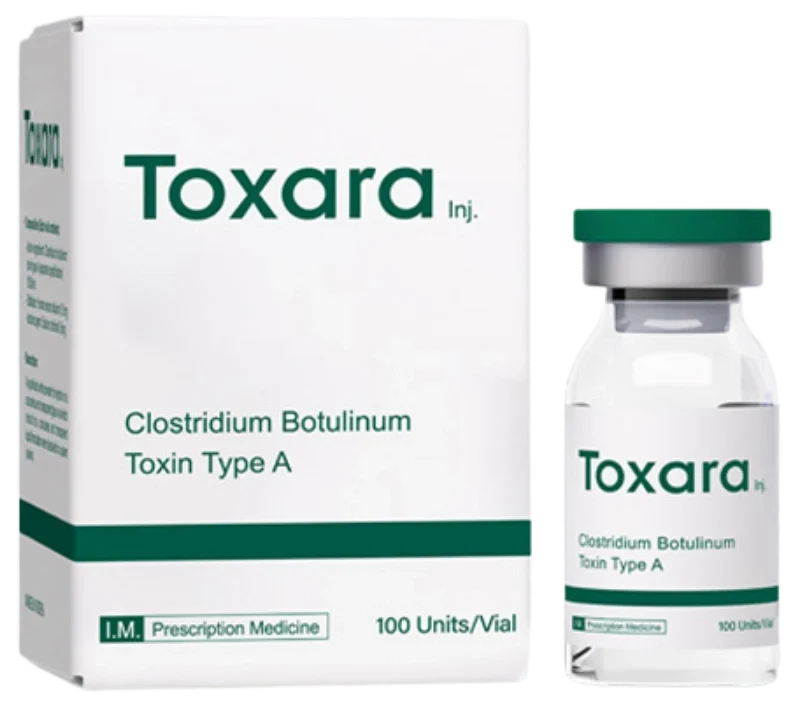
For aesthetic clinics, choosing a botulinum toxin product with reliable performance and reasonable cost, such as Toxara Botulinum Toxin Type A, can help meet treatment needs while providing a more competitive treatment option for patients.
3. Injector Experience and Clinic Location
The cost of forehead botulinum toxin treatment can also vary depending on the clinic and location. In general, clinics located in major cities or regions with more developed aesthetic markets may charge higher prices. At the same time, differences in clinic services, professional qualifications, and pricing standards can also lead to variations in treatment costs.
Therefore, when comparing prices, it is important not to focus only on the single treatment fee, but also consider the overall treatment plan provided by the clinic.
Does Forehead Botulinum Toxin Treatment Include Other Areas?
Many people who want to improve forehead lines may also consider treating other dynamic wrinkle areas, such as frown lines or crow’s feet. This is because facial muscles in different areas work together to influence overall facial expression. In some cases, treating only one area may not achieve the desired overall balance.
However, forehead botulinum toxin treatment usually only targets the forehead line area and does not automatically include other facial areas. If someone wants to improve frown lines, crow’s feet, or other dynamic wrinkles at the same time, additional assessment is needed, and the cost is usually calculated based on the additional treatment areas and number of units required.
Is a Higher Price Always Better for Forehead Botulinum Toxin Treatment?
A higher treatment price does not necessarily mean better results.
Different clinics have different pricing standards, and the cost may include factors such as the product, services, and overall treatment plan. For improving forehead lines, choosing a treatment approach that fits individual needs is more important than simply comparing prices.
Therefore, when evaluating treatment costs, it is important to consider overall treatment needs and the complete treatment plan rather than judging the quality of treatment based only on price.
How Long Do Forehead Botulinum Toxin Results Last?
The effects of forehead botulinum toxin treatment typically last around 3–6 months, although the duration can vary from person to person. Factors such as muscle activity, metabolism, dosage used, and individual differences can affect how long results last.
As the effects of botulinum toxin gradually decrease, some patients may schedule follow-up treatments based on their individual needs to maintain their desired results.
How to Determine Whether the Cost of Forehead Botulinum Toxin Treatment Is Reasonable?
When comparing the cost of forehead botulinum toxin treatment, it is not recommended to judge whether a treatment is worthwhile based only on the quoted price.
A reasonable cost should match the treatment plan, including the planned number of units, treatment areas, and expected improvement goals. For example, two forehead line treatments may have different prices if one plan only focuses on mild dynamic wrinkles, while another also includes areas such as forehead lines and frown lines.
Therefore, when discussing treatment costs, patients can ask whether the quoted price clearly includes the treatment areas, estimated number of units, and any follow-up adjustments. This can help them better evaluate whether the treatment plan matches their needs.
Conclusion
The cost of forehead botulinum toxin treatment varies depending on individual needs and treatment plans, meaning there is no fixed price that applies to everyone.
After understanding the general price range, it is more important to choose a suitable treatment approach based on wrinkle condition, treatment goals, and expected results. A reasonable treatment plan should consider not only cost but also whether it matches the individual’s facial characteristics.