For medical aesthetics professionals, botulinum toxin cost per vial is more than just a number — it directly influences treatment margins, inventory planning, and patient pricing strategy. However, focusing only on the lowest listed price can overlook important long-term considerations. Manufacturing quality, formulation consistency, reconstitution performance, and supply reliability all contribute to the real economic value of a botulinum toxin product.
In this article, we compare four Korean botulinum toxin type A brands commonly discussed in global aesthetic markets:
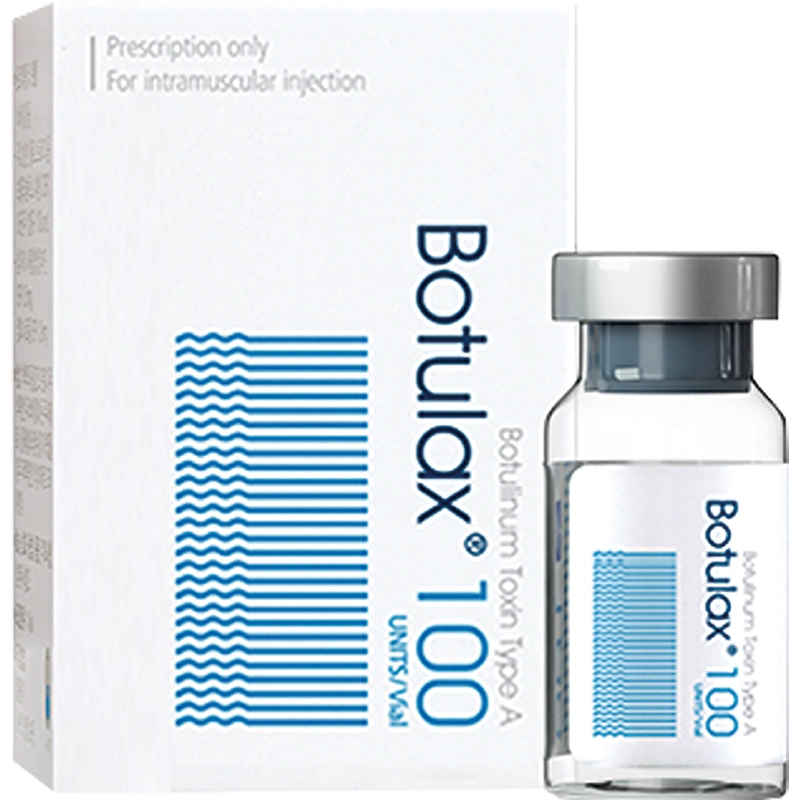
Botulax
Nabota
ReNTox
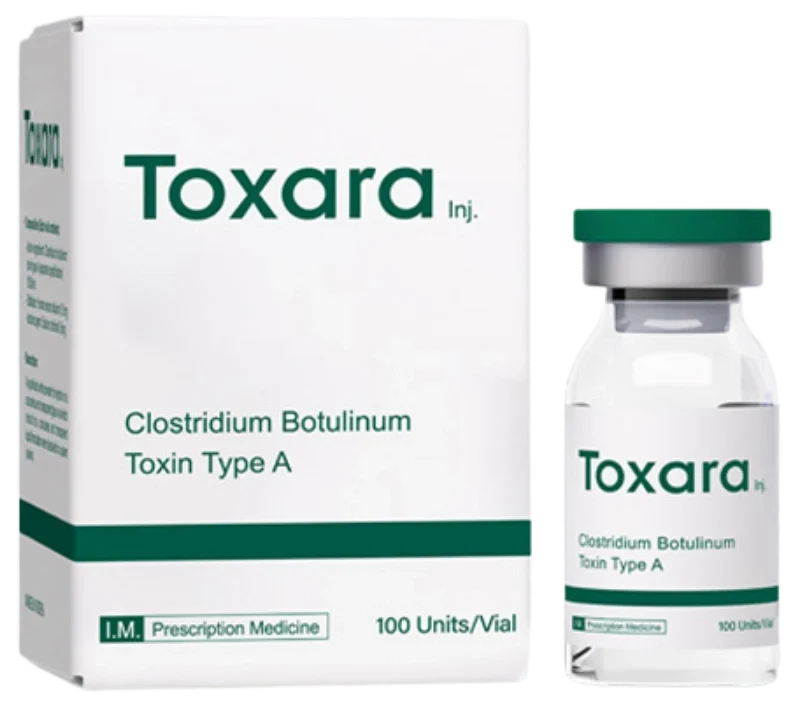
Toxara
Our goal is to help clinics evaluate overall value per vial — not simply the upfront purchase price.
Disclosure: This comparison is based on publicly available product information and market feedback. Clinics and distributors are encouraged to conduct independent evaluation and request region-specific pricing directly from suppliers.
Why “Botulinum Toxin Cost Per Vial” Can Be Misleading
Two 100-unit botulinum toxin vials may appear similar in price, yet deliver very different clinical and operational value.
Several factors can influence the real cost efficiency of a product:
- Purity and Formulation: Differences in formulation processes and protein composition may influence long-term treatment consistency and immunogenicity considerations in repeat-use settings.
- Batch-to-Batch Consistency: Manufacturing consistency can affect dosing predictability and overall treatment experience across clinical applications.
- Reconstitution Stability: Products with stable lyophilized formulations may support easier storage, transport, and handling after reconstitution.
- Supply Chain Reliability: Reliable distribution and inventory support can help clinics avoid unexpected sourcing delays or fluctuating procurement costs.
When evaluating botulinum toxin price comparison data, these operational factors are often just as important as the listed cost per vial.
Brand Comparison

1. Botulax (Hugel, Korea)
Botulax is a widely distributed Korean botulinum toxin type A product available in both 100U and 200U presentations. It is formulated with Human Serum Albumin (HSA) and manufactured in South Korea.
Key Strengths:
- Established presence across multiple international markets
- Broad clinical familiarity among aesthetic practitioners
- Competitive positioning for routine aesthetic treatments
Considerations:
- Clinical experience may vary depending on regional distribution channels and supply conditions
- Availability and pricing structure can differ significantly between markets
Best For:
Clinics seeking a well-known Korean botulinum toxin brand with broad market presence.
2. Nabota (Daewoong, Korea)
Nabota is manufactured by Daewoong Pharmaceutical in a Korean GMP-certified facility and is marketed as Jeuveau in the United States aesthetic market. It is available in 100U and 200U vials and formulated with HSA.
Key Strengths:
- Supported by a globally recognized pharmaceutical company
- Strong international brand recognition in aesthetic medicine
- Widely discussed in premium aesthetic markets
Considerations:
- Pricing may be positioned at a premium level in some regions due to branding and distribution structure
- Regional registration and distribution limitations may affect availability
Best For:
Clinics prioritizing strong brand recognition and established international positioning.
3. ReNTox (Pharma Research BIO, Korea)
ReNTox is a botulinum toxin type A manufactured by Pharma Research BIO, a South Korean biopharmaceutical company. The product is available in 100U vials and manufactured in a GMP-certified production facility in South Korea.
Key Strengths:
- Manufactured in a dedicated Korean GMP-certified facility
- Positioned with formulation approaches designed for modern aesthetic applications
- Supported by large-scale manufacturing infrastructure
Considerations:
- Less established in some Western aesthetic markets compared with larger legacy brands
- Regional availability may vary depending on distributor network
Best For:
Clinics interested in emerging Korean botulinum toxin brands with expanding international presence.
4. Toxara (by Regenova, Korea)
Toxara is a botulinum toxin type A product formulated with Human Serum Albumin (HSA) and manufactured using modern lyophilization technology. Each vial contains 100 units.
As an emerging brand in the global medical aesthetics market, Toxara focuses on delivering reliable product quality while maintaining competitive pricing for clinics and distributors.
Key Strengths:
- Designed to support batch-to-batch consistency in clinical applications
- Stable lyophilized powder format for storage and transportation efficiency
- Flexible sourcing options through direct or authorized distribution channels
Considerations:
Newer to certain international markets compared with long-established competitors
Best For:
Clinics seeking a balance of quality, supply flexibility, and competitive regional pricing.
Get a Personalized Cost Comparison
Because botulinum toxin cost per vial depends on your specific situation — volume, region, shipping, partnership terms — we don’t publish fixed prices.
Instead, we provide tailored quotes based on your needs.
If you are a clinic, distributor, or purchasing group, we can share:
- Custom pricing based on your monthly or annual volume
- Regional availability for Toxara
- Batch documentation for internal evaluation
👉 Contact us directly for a no-obligation quote and compare for yourself.

Final Thought
The right botulinum toxin cost per vial isn’t the lowest listed number — it’s the one that gives you predictable clinical outcomes, reliable supply, and fair commercial terms.
For clinics that have used Botulax or Nabota and want comparable or better consistency with fair, flexible pricing, Toxara is worth evaluating.