In the aesthetic medicine market, botulinum toxin type A remains one of the most frequently ordered injectable products for clinics and distributors. Botulinum toxin type A wholesale price is a key consideration when selecting a supplier and planning purchasing strategies. However, this wholesale price can vary significantly depending on brand positioning, manufacturing standards, order volume, and supply-chain structure.
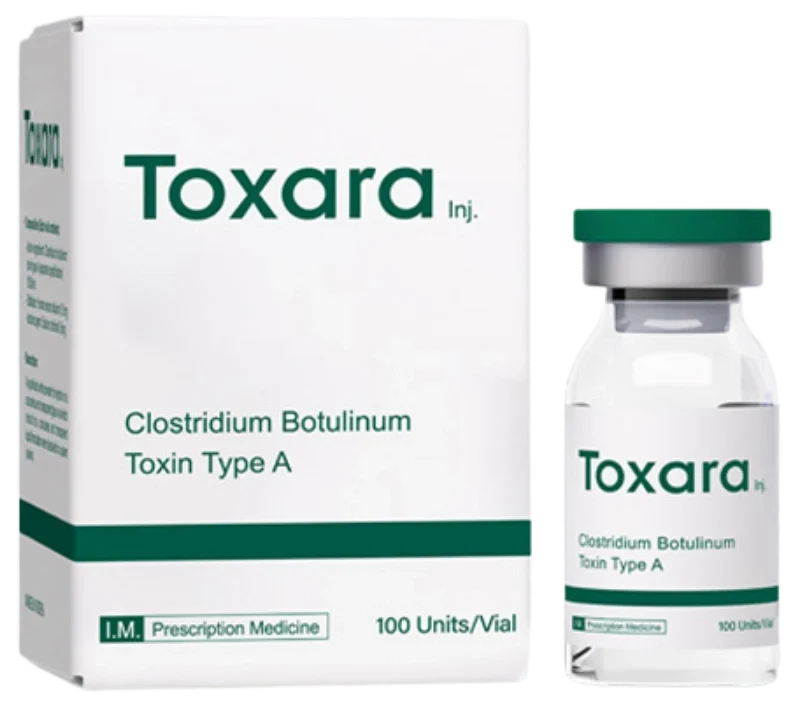
This guide explains the key pricing factors, compares common purchasing models, and shows how clinics and distributors can evaluate suppliers such as Toxara, a brand focused on stable quality, professional support, and scalable wholesale supply.
What Is The Average Wholesale Price Of Botulinum Toxin Type A?
Wholesale pricing for botulinum toxin type A is typically calculated per vial, most commonly in 100-unit formats. The market range can differ depending on:
Brand reputation
Established international brands generally command higher prices, while emerging brands may compete more aggressively on cost.
Purity and formulation
Higher-purity formulations and consistent diffusion profiles are often priced at a premium because clinics value predictable clinical outcomes.
Regulatory and manufacturing standards
Products manufactured under stricter GMP conditions or exported through regulated channels may carry higher wholesale costs.
Order quantity
Bulk purchases significantly reduce the unit price. Distributors buying hundreds of vials usually receive tiered pricing unavailable to small clinics.
Shipping and storage requirements
Cold-chain logistics, import duties, and regional distribution costs also influence the final landed price.
Rather than focusing only on the lowest advertised price, clinics should calculate cost per treatment session, consistency of supply, and patient satisfaction rates.
Why Many Buyers Consider Toxara
Toxara positions itself as a professional-grade botulinum toxin type A solution for clinics and distributors seeking a balance between quality and wholesale competitiveness.
Key strengths include:
- high-purity formulation designed for consistent clinical performance
- GMP-focused manufacturing standards
- stable bulk supply for clinics and distributors
- factory-direct wholesale support and scalable ordering
- professional documentation and export assistance
To discuss wholesale cooperation, or request a customized quotation, contact the Toxara team today. Our specialists will be happy to provide product information, pricing details, and dedicated support for your business needs.
How To Get Better Wholesale Pricing
- Increase order volume strategically: Consolidating monthly purchases into larger scheduled orders often improves negotiation leverage.
- Work directly with manufacturers: Reducing intermediary layers can lower costs and improve supply transparency.
- Request tiered pricing: Many suppliers offer graduated discounts based on box quantity, annual commitment, or distributor status.
- Optimize shipping logistics: Combining shipments and using regional warehouses can reduce cold-chain and freight expenses.
- Evaluate total cost, not just vial price: A slightly higher-priced product with better stability and fewer supply interruptions may reduce overall operational costs.
Final Thoughts
Botulinum toxin type A wholesale pricing is shaped by far more than the number printed on a quote sheet. Clinics and distributors should evaluate manufacturing quality, supply reliability, logistics, and long-term partnership value alongside unit cost.
For buyers looking for a branded, factory-direct option with competitive bulk pricing, Toxara Botulinum Toxin Type A is one solution worth considering within a broader procurement strategy.
FAQ
1. What affects the wholesale price of botulinum toxin type A?
Wholesale pricing is influenced by brand positioning, product purity, manufacturing standards, order quantity, shipping logistics, and whether the product is branded or OEM/private label.
2. Do larger orders reduce the per-vial cost?
Yes. Suppliers typically offer tiered discounts for bulk purchases, so distributors and high-volume clinics often receive lower per-unit pricing than small clinic orders.
3. Why do clinics compare factors beyond price?
Treatment consistency, batch reliability, cold-chain integrity, documentation, and supplier support all affect clinical outcomes and operational stability, not just acquisition cost.
4. Is factory-direct purchasing usually cheaper?
Buying directly from manufacturers can reduce intermediary markups and improve supply transparency, though total landed cost still depends on shipping, duties, and regional logistics.
5. What should distributors ask before placing a wholesale order?
Key questions include minimum order quantity, availability of quality certificates, shipping temperature controls, regional warehousing options, and OEM/private-label availability.
6. Does a lower vial price always mean better value?
Not necessarily. A slightly higher-priced product with better stability, consistent batches, and fewer supply interruptions can reduce overall operational costs over time.