Botulinum toxin injections are popular around the world because they are simple, effective, and quick. The active ingredient immobilizes the muscles in the treatment site and stops the patient from creating facial movements that ultimately lead to wrinkles. Because this effect wears off over time, most people get treated several times a year.
So if you’ve had one treatment and are thrilled with your results, you may be wondering: how often should you get botulinum toxin injections to maintain that look? Here’s what you need to know about treatment frequency.
How Long Do Botulinum Toxin Results Typically Last?
You’ll notice smoother skin within a few days, with peak results at about two weeks. (Curious about what happens each day? Check out the Botulinum Toxin Results Timeline.)
Studies show that on average, botulinum toxin effects last three to four months, after which muscle movement gradually returns to baseline. (Individual results may vary depending on the treatment area, dosage, and personal metabolism.)
Over time, your body naturally metabolizes the neurotoxin, allowing muscle activity to slowly resume. When expression lines begin to reappear, that’s your cue for a repeat treatment.
How Often Should You Get Botulinum Toxin Injections?
For most people, receiving botulinum toxin injections every 3–4 months helps maintain consistent, natural-looking results.
However, the ideal treatment schedule varies from person to person. Key factors include:
- Age and muscle activity – Younger patients or those with mild expression lines may only need treatment every 4–6 months. Conversely, individuals with strong facial muscles or deeper lines often require injections closer to every 3 months.
- Treatment area – Areas with more frequent muscle movement, such as the forehead and crow’s feet, tend to need touch-ups more often than smaller or less active regions like the chin or lip lines.
- Lifestyle factors – People who exercise frequently, have high sun exposure, or possess a faster metabolism may metabolize botulinum toxin more quickly, leading to shorter duration of results.
- Treatment history – Regular patients often find that botulinum toxin lasts longer over time, as treated muscles gradually adapt. This may allow appointment intervals to be extended further.
Botulinum Toxin Duration and Treatment Frequency by Area
| Treatment Area | Average Duration | Recommended Frequency |
| Forehead Lines | 3–4 months | Every 12–16 weeks |
| Crow’s Feet | 3 months | Every 10–12 weeks |
| Frown Lines (Glabella) | 3–4 months | Every 12–16 weeks |
| Lip Lines / Chin | 4–6 months | Every 16–24 weeks |
| Preventive (20s–30s) | 4–6 months | Twice a year |
| Corrective (40s+) | 3–4 months | 3–4 times a year |
Safety and frequency limits:
You can safely receive botulinum toxin injections every 3 months, but not sooner. Injecting too frequently can reduce treatment effectiveness and increase the risk of side effects, such as localized muscle weakening or the development of resistance — topics explored further in our guide on long-term effects of botulinum toxin.
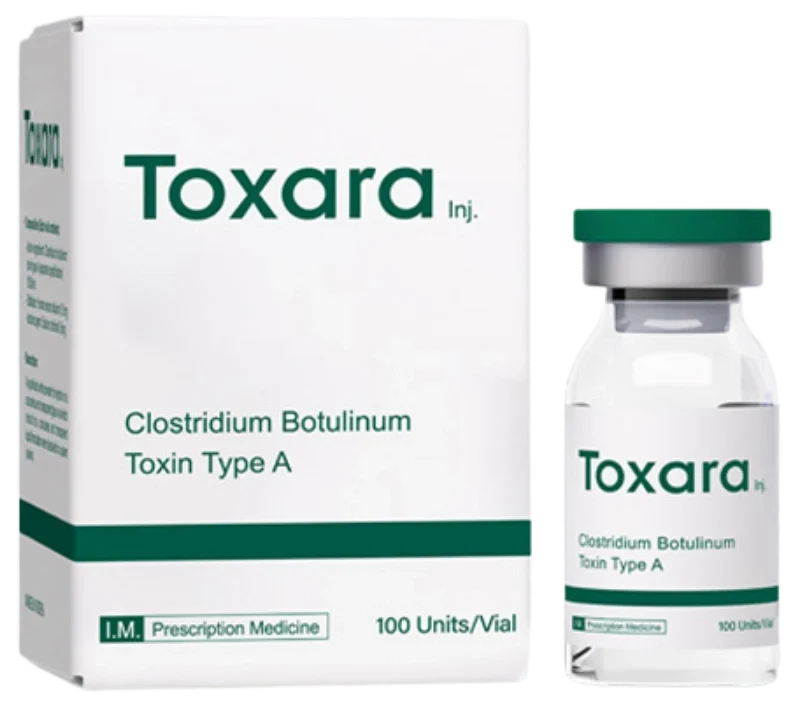
If your results diminish more quickly than anticipated, discuss this with your provider. The cause may be related to dosage, injection technique, or individual metabolic factors—not necessarily the product itself. When using a high-quality botulinum toxin like Toxara, the focus should always remain on proper patient assessment and injection technique to achieve optimal, natural-looking outcomes.
How Soon After Botulinum Toxin Can You Get a Touch-Up?
If an area still shows minor movement after two weeks, a small touch-up (additional units) can be performed once the initial effects are fully visible.
However, you should always wait at least two weeks before adding more units to avoid overcorrection or uneven results.
If there is no effect at all or significant asymmetry after two weeks, consult your provider for an assessment rather than simply adding more product.
Can You Make Results Last Longer?
While no treatment can permanently stop the natural aging process, several factors may help support longer-lasting results:
- Following post-treatment instructions
- Maintaining a healthy skincare routine
- Protecting the skin from excessive sun exposure
- Staying hydrated
- Receiving treatment from qualified medical professionals
Regular maintenance treatments may also help preserve smoother facial contours and reduce the appearance of expression lines over time.
Conclusion
So, how often should you get botulinum toxin injections? For many patients, maintenance treatments are commonly performed every 3–4 months, although the ideal interval varies depending on the treatment area, muscle activity, dosage, and individual response. The choice of botulinum toxin product—such as Toxara—may also be considered as part of a customized treatment plan.
With proper treatment planning and ongoing maintenance, botulinum toxin injections can be an effective option for managing dynamic facial wrinkles and supporting long-term facial rejuvenation.