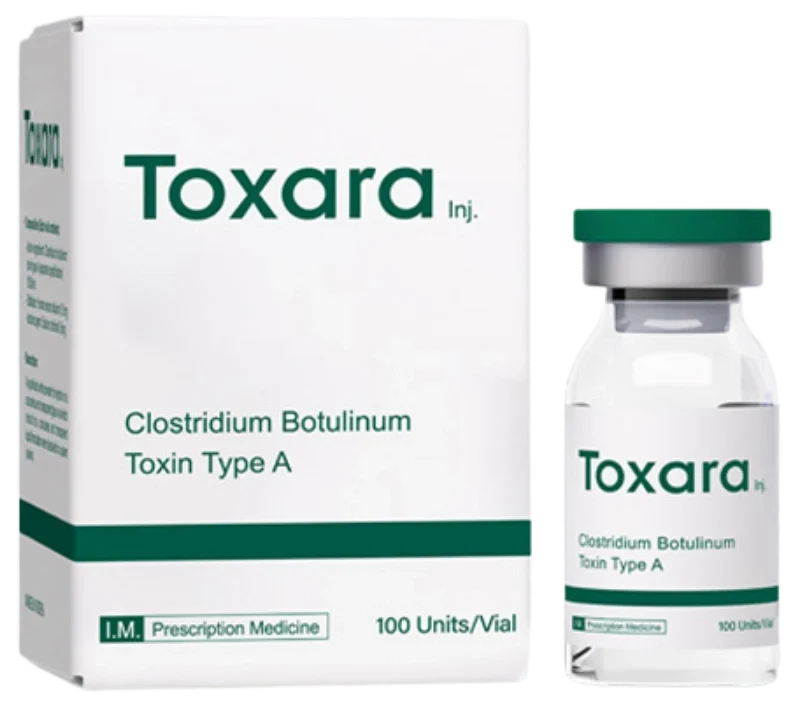
For many people looking to reduce the appearance of wrinkles, botulinum toxin injections are a popular cosmetic treatment. But one question often comes up before treatment: is botulinum toxin safe?
Botulinum toxin has been used in aesthetic and medical treatments for many years and has a well-established safety record when used appropriately. However, like any medical treatment, it is not completely risk-free. The level of risk can depend on the product, dose, injection technique, and experience of the healthcare professional.
Below, we explain the common side effects, potential risks, and some simple steps you can take to make your treatment safer.
Is Botulinum Toxin Safe for Cosmetic Use?
For cosmetic treatments, botulinum toxin is injected into specific muscles to temporarily reduce their activity. This can help smooth dynamic wrinkles, such as forehead lines, frown lines, and crow’s feet.
Because the treatment targets specific muscles and uses a controlled dose, the effects are temporary and localized. However, the results and safety of treatment depend greatly on how the product is prepared and injected.
Using the correct dose, choosing the right injection sites, and understanding facial anatomy can help reduce the risk of unwanted effects. It is also important to use a properly sourced product and have the treatment performed by a qualified healthcare professional.
What Are the Common Side Effects?
Most side effects are mild and temporary. They may include:
- Bruising, redness, swelling, or tenderness at the injection site
- Headache or mild flu-like symptoms
- Temporary weakness or drooping in nearby muscles
- Mild discomfort around the treated area
These effects usually improve on their own. Your healthcare provider can also give you specific aftercare instructions based on your treatment.
Are There Any Serious Risks?
Serious complications are rare, but they can occur. In very unusual cases, the effects of botulinum toxin may spread beyond the intended treatment area and cause symptoms such as muscle weakness, difficulty swallowing, difficulty breathing, or slurred speech. If you experience severe or unusual symptoms after treatment, seek medical attention promptly.
It is also important to follow your provider’s aftercare instructions. Avoiding unnecessary rubbing or pressure on the treated area may help reduce the risk of unwanted effects. For a closer look at the common and rare reactions, see our guide to botulinum toxin side effects.
Can Botulinum Toxin Cause Botulism?
Botulinum toxin is a potent neurotoxin. In sufficiently high amounts, it can cause botulism, a serious condition that affects the nervous system.
However, cosmetic treatments use carefully controlled amounts of botulinum toxin. When an authorized product is used correctly and administered by a qualified healthcare professional, botulism following cosmetic treatment is very rare.
When Does the Risk Increase?
The risk of complications may increase when botulinum toxin is used incorrectly or when the product does not come from a reliable source. Potential risk factors include:
- Using an inappropriate or excessively high dose
- Using unlicensed or counterfeit products
- Receiving treatment from an unqualified or untrained provider
- Self-injecting
- Receiving injections in inappropriate settings where proper medical standards may not be followed
For this reason, it is important to know where the product comes from and who will administer the treatment.
How Can You Make Botulinum Toxin Treatment Safer?
There are several simple steps you can take before receiving treatment:
- Choose a qualified provider: Make sure your healthcare professional is properly licensed and experienced in administering botulinum toxin.
- Ask about the product: Ask what product will be used and where it comes from. A legitimate product should have clear labeling and appropriate product information.
- Avoid self-injection: Botulinum toxin should be administered by a trained healthcare professional.
- Follow aftercare instructions: Follow the advice provided by your healthcare professional after treatment, including instructions about activity, touching the treated area, and follow-up care.
- Share your medical history: Tell your provider about your medications, allergies, medical conditions, and any previous reactions to botulinum toxin.
What Should Healthcare Providers Consider?
- Healthcare professionals should be familiar with the possible adverse effects of botulinum toxin and know how to recognize symptoms that may require medical attention.
- If a patient develops symptoms that suggest systemic botulinum toxin effects, prompt medical assessment is important.
- Providers should also make sure that patients understand the potential risks and the importance of using properly sourced products and receiving treatment from qualified professionals.
Final Thoughts
So, is botulinum toxin safe?
For most appropriate cosmetic uses, botulinum toxin has a well-established safety profile when an authorized product is used correctly and administered by a qualified healthcare professional. However, no medical treatment is completely without risk. Choosing a qualified provider, checking the product source, following treatment instructions, and discussing your medical history before treatment can all help reduce potential risks.