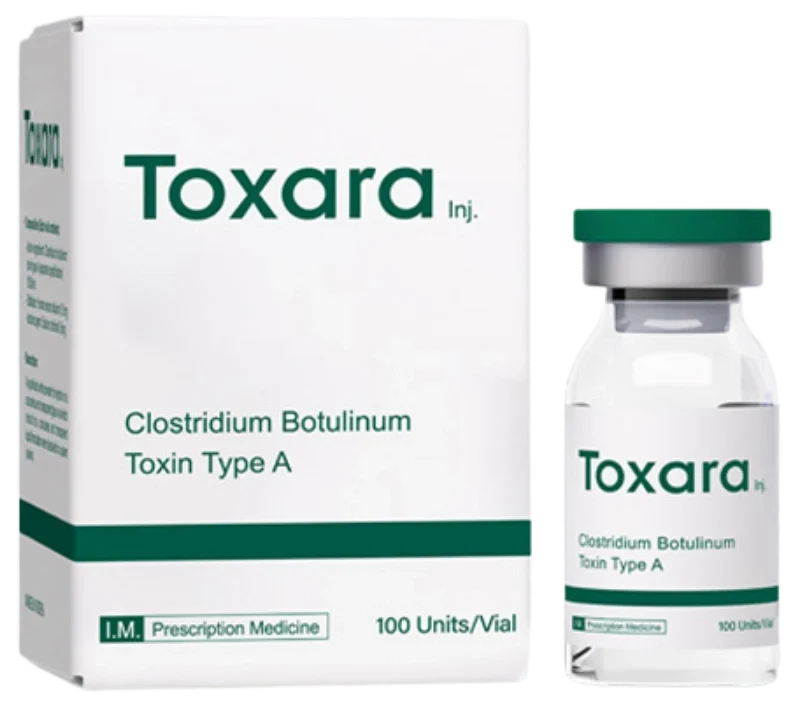
Botulinum toxin has become a widely used treatment in aesthetic medicine, and for good reason. It is highly effective for dynamic wrinkles caused by repetitive muscle movement. However, not every patient concern is best addressed by muscle relaxation, and recognizing this is an important part of clinical assessment.
Understanding when botulinum toxin is not suitable for certain aesthetic concerns allows practitioners to develop more targeted treatment plans and achieve outcomes that better align with each patient’s needs.
What Concerns Does Botulinum Toxin Treat Best?
Botulinum toxin works by temporarily reducing muscle activity. This mechanism makes it particularly suitable for dynamic wrinkles, which are lines that appear with facial expressions such as frowning, squinting, or raising the eyebrows. Common indications include forehead lines, glabellar lines, and crow’s feet. When the primary cause of a wrinkle is muscle contraction, botulinum toxin can produce a noticeable and predictable improvement.
Beyond aesthetic applications, botulinum toxin is also used in therapeutic settings for conditions such as hyperhidrosis, muscle spasticity, and chronic migraine. These applications rely on the same mechanism of action, temporarily modulating nerve signals to reduce excessive muscle activity or glandular function.
When Is Botulinum Toxin Not Suitable?
1. Volume Loss
Facial aging is not solely about muscle movement. Over time, the loss of collagen, fat, and structural support can lead to hollowing, sagging, and deeper folds. In these cases, relaxing muscles alone does not address the underlying issue.
Patients presenting with volume-related concerns, such as sunken temples, tear trough hollows, or deep nasolabial folds, may benefit more from dermal fillers or collagen-stimulating treatments.
2. Skin Quality Concerns
Some patients seek treatment for wrinkles that are actually a manifestation of declining skin quality. Common complaints include dry or dull skin, reduced elasticity, fine lines not limited to dynamic areas, and uneven texture.
These are not muscle-related issues. Treatments focused on hydration, skin regeneration, or collagen production are often more appropriate for improving skin quality and overall appearance.
3. Expectations of Structural Change
Botulinum toxin gradually smooths wrinkles by reducing movement, but it does not create volume or alter facial structure. Patients expecting fuller contours, enhanced cheek projection, or correction of deep tissue folds will not achieve these goals through botulinum toxin alone.
For these patients, volumizing treatments or regenerative approaches should be part of the discussion.
The Importance of Individualized Assessment
In clinical practice, two patients with similar wrinkles may require entirely different treatment strategies. One may achieve excellent results with botulinum toxin alone, while the other may need volume restoration or skin quality improvement to achieve a similar cosmetic outcome.
Evaluating facial anatomy, skin condition, and the patient’s specific goals is essential for determining the most appropriate approach. A thorough consultation allows practitioners to recommend treatments that address the root cause of each concern, not just the visible symptom.
Combining Modalities for Comprehensive Results
Botulinum toxin remains a valuable tool in aesthetic medicine, and in many cases it is most effective when used alongside other treatments. For example, botulinum toxin can address dynamic lines while fillers restore lost volume and collagen stimulators improve skin firmness over time.
This combined approach allows practitioners to address multiple dimensions of facial aging and deliver more balanced, natural-looking results. For a deeper understanding of how botulinum toxin and dermal fillers work together, explore our guide on combining botulinum toxin injections with dermal fillers.
Conclusion
Botulinum toxin is an effective treatment for dynamic wrinkles, but it is not suitable for every aesthetic concern. When the primary issue involves volume loss, skin quality deterioration, or structural aging, other treatment options may provide a more appropriate solution.
By understanding both the strengths and limitations of botulinum toxin, practitioners can make better-informed decisions and offer patients treatment plans that are truly tailored to their needs.