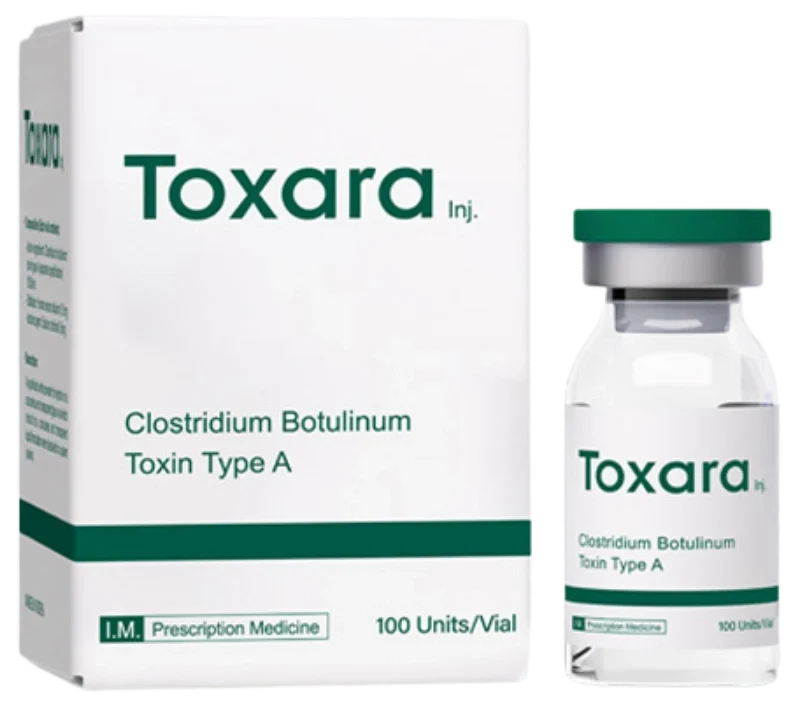
Fine lines and facial wrinkles often appear earlier than expected, especially with repeated expressions like frowning, smiling, or squinting. While many topical treatments can improve skin texture, they often fail to address the underlying cause—continuous muscle contraction. This is why clostridium botulinum toxin has become a key solution in aesthetic medicine.
But how exactly does it work, and why is it so effective?
What is Clostridium Botulinum Toxin
Clostridium botulinum toxin is a neurotoxic substance produced by the bacterium Clostridium botulinum, which naturally generates several toxin types (A–G). In its raw form, the toxin is highly potent. However, when purified and used in controlled doses, it becomes a valuable tool in medical and aesthetic treatments. To learn more about the different toxin types and how they are used in clinical practice, read our full guide: Types Of Botulinum Toxins.
Among these, botulinum toxin type A is the most commonly used form. It is a refined and stabilized version developed specifically for safe clinical applications, particularly in wrinkle reduction and muscle relaxation.
Clostridium Botulinum Toxin Mechanism of Action
In clinical practice, a purified form botulinum toxin type A is used. It works by temporarily blocking nerve signals to specific muscles.
After injection into targeted muscles, it works by blocking the release of acetylcholine, the neurotransmitter responsible for triggering muscle contraction. As a result, the treated muscles relax, which helps smooth the overlying skin and reduce the appearance of dynamic wrinkles.

Importantly, this effect is temporary and controlled. The muscle is not damaged, its activity is simply reduced for a period of time, allowing for natural-looking results.
Clostridium Botulinum Toxin Type A Injection
Clostridium botulinum toxin type A injection is a widely used, non-surgical treatment that involves injecting a purified form of the toxin into targeted muscles to reduce their activity. The goal is to soften muscle movement, not eliminate it, so that the skin appears smoother while maintaining natural expressions.
This treatment is mainly used for dynamic wrinkles, such as:
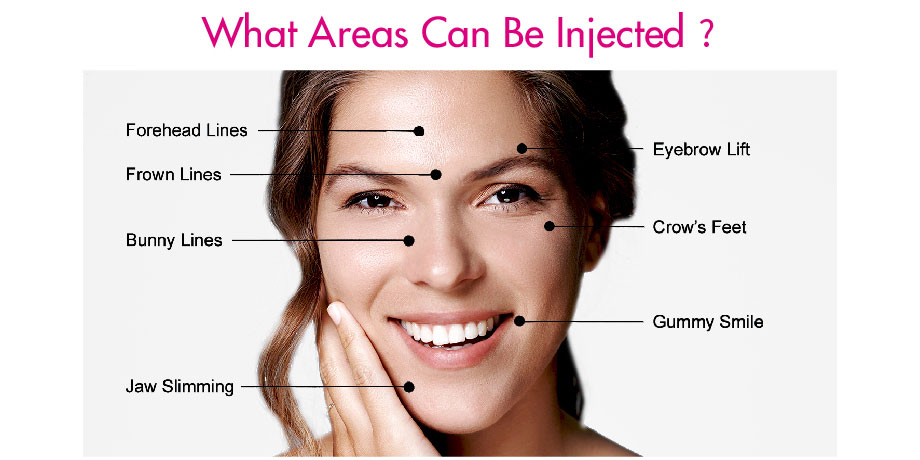
- Forehead lines
- Glabellar lines (frown lines)
- Crow’s feet
These wrinkles develop over time due to repeated muscle contractions that create visible creases in the skin. Because different muscles affect facial expressions in different ways, accurate injection technique is essential. Proper placement and dosing help ensure natural, balanced, and consistent results.
In addition to wrinkle reduction, botulinum toxin type A injections are also used for preventative treatments, facial contouring (such as jawline slimming), and certain therapeutic purposes like hyperhidrosis or bruxism.
Treatment Process: What to Expect
- The procedure is minimally invasive and typically completed within 10–20 minutes.
- A trained practitioner injects small, controlled doses into specific facial muscles
- The injections are performed using fine needles to ensure precision and patient comfort
- No significant downtime is required, and patients can usually return to daily activities immediately
- It is commonly advised to avoid rubbing the treated area, lying flat for several hours, or engaging in intense physical activity immediately after injection to ensure optimal product distribution.
- Results typically begin to appear within 48–72 hours, reach full effect in about 7–14 days, and last approximately 3–6 months, depending on factors such as individual metabolism, dosage, and treatment area.
- With regular treatments, muscles may gradually adapt, potentially extending the duration of results over time
Areas Commonly Treated
Clostridium botulinum toxin is widely used to address multiple facial concerns. Each treatment is customized based on individual muscle strength and facial anatomy.
Safety Considerations
When using a clinically approved formulation of botulinum toxin type A, the treatment is generally safe.
Common side effects are mild and temporary:
Slight redness or swelling at the injection site
Minor bruising
More serious complications are rare and are usually linked to improper injection technique. This is why treatments should always be performed by qualified professionals.
Conclusion
Clostridium botulinum toxin, in its purified and clinically refined form, has revolutionized wrinkle treatment by addressing the underlying cause—muscle activity. Through precise, targeted injections, it offers a reliable and minimally invasive way to achieve smoother, more youthful-looking skin.
As aesthetic medicine continues to evolve, botulinum toxin type A remains one of the most trusted and widely used solutions for effective wrinkle reduction.