Palmar hyperhidrosis is a medical condition caused by overstimulation of the eccrine sweat glands via the sympathetic nervous system, leading to excessive sweating of the palms. This sweating occurs regardless of temperature or emotional state, often interfering with daily activities (e.g., writing, using electronic devices), social interactions (e.g., handshakes), and professional confidence.
Severe palmar hyperhidrosis is a chronic condition often resistant to conventional therapies. For these patients, botulinum toxin for palmar hyperhidrosis has emerged as a highly effective treatment option.
How Botulinum Toxin Reduces Excessive Sweating
Botulinum toxin temporarily blocks the release of acetylcholine, the neurotransmitter responsible for activating sweat glands. When injected intradermally, the toxin interrupts nerve-to-gland signaling, thereby reducing sweat production.
In the palms, this approach can achieve substantial sweat reduction while preserving normal hand function—provided the injections are administered correctly.
Injection Protocol for Palmar Hyperhidrosis
A standardized injection protocol is essential for achieving even sweat reduction, minimizing discomfort, and preserving hand mobility.
1. Patient Assessment
Before treatment, practitioners should evaluate:
- Severity of sweating
- Medical history and previous hyperhidrosis treatments
- Neuromuscular conditions
- Current medications
- Pregnancy or breastfeeding status
In some clinics, the Minor’s iodine-starch test is used to map the most active sweating zones prior to injection.
2. Injection Mapping and Technique
To ensure even toxin distribution, many practitioners draw a grid pattern across the palm, with injection points spaced approximately 1 cm apart.

A typical protocol involves intradermal injections of about 0.05 mL (1U) of botulinum toxin per point. Because the palmar dermis is relatively thick, creating a small needle channel before injecting the product allows sufficient space within the dermal layer and reduces product leakage upon needle withdrawal.
Notably, many patients are more bothered by fingertip sweating than by central palm sweating. Therefore, experienced practitioners pay equal attention to both regions. In clinical practice, a dosage ratio of approximately 1:1 between fingers and palm is often used to achieve balanced sweat reduction. Since the fingers contain limited muscle mass, careful superficial intradermal placement minimizes the risk of finger muscle weakness.
3. Dosage and Dilution Considerations
Exact dosage depends on sweat severity, palm size, and practitioner preference.
For botulinum toxin for palmar hyperhidrosis, total dose per hand typically ranges from 50U to 200U, adjusted according to individual anatomy and treatment goals.
Clinical Considerations for Practitioners
Key treatment considerations for achieving optimal outcomes with botulinum toxin for palmar hyperhidrosis include:
- Symmetrical distribution across both hands
- Small aliquots per injection point
- Intradermal injection technique
- Conservative dosing for first-time patients
- Balanced treatment of palms and fingers
Since palmar injections can be uncomfortable, patient comfort should also be a priority. Many practitioners therefore incorporate topical anesthetics, vibration devices, nerve blocks, or cooling
Treatment Results and Duration
Patients typically notice improvement within a few days, with full results appearing over the following two weeks.
Common outcomes include:
- Significant reduction in sweating
- Improved grip comfort
- Better confidence in social and professional settings
The duration of results varies depending on metabolism, lifestyle, and sweat severity, but most patients return for maintenance sessions approximately twice per year. Repeated treatments are generally well tolerated when performed according to proper protocols.
Possible Side Effects and Considerations
Temporary side effects may include mild swelling, redness, tenderness, or bruising at injection sites.
If injections are placed too deeply or diffuse beyond the intended zone, transient hand muscle weakness can occur—underscoring the importance of injector expertise.
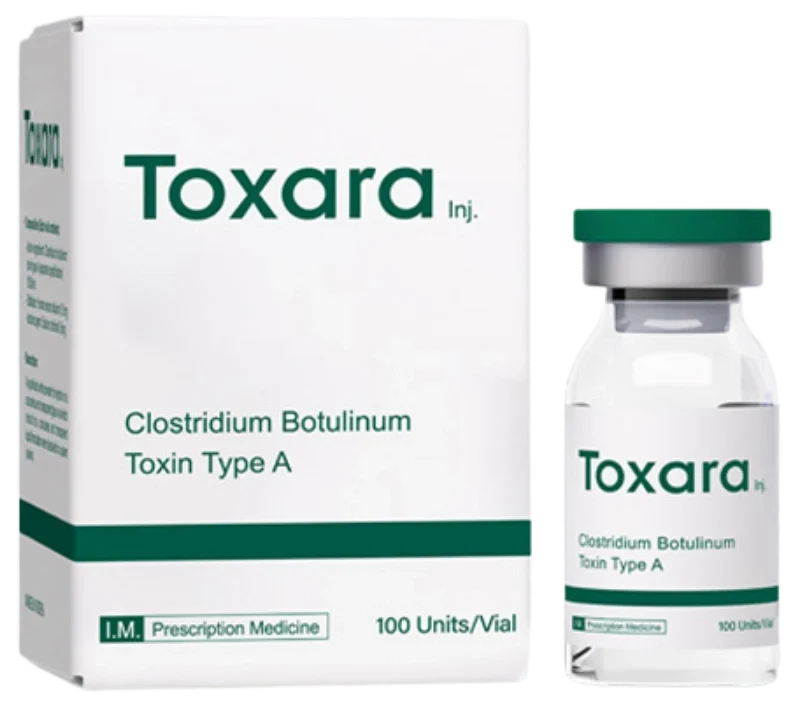
Proper patient selection and careful technique help minimize complications and improve treatment satisfaction. For practitioners using Toxara, consistent product performance supports reproducible outcomes across treatment sessions.
Conclusion
Palmar hyperhidrosis can profoundly affect daily comfort and emotional well-being, but modern botulinum toxin for palmar hyperhidrosis offers an effective, non-surgical solution. With proper injection technique, accurate dosing, and professional clinical assessment, botulinum toxin significantly improves quality of life and delivers long-lasting sweat reduction.
As therapeutic toxin applications continue to expand, products like Toxara play an increasingly important role in comprehensive palmar hyperhidrosis treatment protocols.