By 2023, over 17 million Americans had turned to cosmetic injectables to address fine lines, deep wrinkles, and volume loss. Botulinum toxin injections and dermal fillers remain the two most widely performed aesthetic treatments worldwide. While each has its own indications, many practitioners now combine them to achieve more balanced, natural-looking facial rejuvenation.
Rather than choosing one treatment over the other, combination therapy allows clinicians to address multiple signs of aging during a personalized treatment plan.
Understanding the Difference Between Botulinum Toxin Injections and Dermal Fillers
Botulinum toxin and dermal fillers serve different purposes in aesthetic medicine. Botulinum toxin relaxes muscles to reduce dynamic wrinkles, while dermal fillers restore volume and improve facial contours. Because they address different signs of aging, they are often used together rather than as alternatives.
For a detailed comparison, see our guide on the difference between dermal fillers and botulinum toxin.
Why Combination Treatments Are So Popular
The popularity of combination therapy is not simply because two treatments are performed together. The real advantage is that they target different causes of facial aging, allowing practitioners to create a more comprehensive treatment plan.
1. Treat Different Types of Concerns
Since neuromodulators and fillers are designed for different purposes, they don’t compete with each other. You can address different signs of aging throughout the face by using them together.
Neuromodulators will temporarily prevent muscle contractions to reduce the expression wrinkles associated with facial movements like crow’s feet, while fillers add volume beneath the skin to smooth nasolabial folds and other static wrinkles caused by collagen loss. Unlike botulinum toxin, fillers can also add fullness to features like the lips or cheeks or define the facial contours. Neuromodulators are usually added to the upper parts of the face, while fillers are mainly administered to the middle and lower areas. For patients specifically interested in lip enhancement, our guide on Lip Filler vs Botulinum Toxin provides a more detailed comparison.
One clinic practitioner shared their clinical observation after using toxin and hyaluronic acid together: “Excellent results and changes.”

2. Potentially Improve Treatment Longevity
One of the few downsides of hyaluronic acid-based fillers is that they are eventually metabolized by the body. They break down more quickly in areas of the face where there is a lot of movement, such as around the mouth.
Using muscle relaxers together with fillers can therefore extend the lifespan of fillers, because less facial motion means less rapid metabolization of the gel.
Although longevity varies between individuals, many clinicians consider this an additional benefit of combination therapy.
Can Botulinum Toxin and Dermal Fillers Be Done at the Same Appointment?
In many cases, yes. Experienced aesthetic professionals often perform both treatments during the same session. Since the products work differently and are injected into different tissue layers, they generally complement each other well.
However, treatment planning is extremely important. Factors such as:
- Facial anatomy
- Skin condition
- Age
- Desired results
- Product selection
- Injection technique
All influence the final outcome. Some practitioners may recommend performing treatments in stages depending on the patient’s goals and facial structure.
Are Combination Treatments Safe?
When performed by qualified medical professionals using high-quality products, combination treatments are generally considered safe and widely practiced in aesthetic medicine. Proper patient assessment and injection technique are essential for minimizing risks and achieving optimal results.
Patients may experience temporary effects such as:
- Mild swelling
- Redness
- Bruising
- Tenderness at injection sites
These effects are usually temporary and resolve within a few days.
Choosing reliable products and experienced practitioners is one of the most important factors in achieving safe and predictable outcomes.
Why Product Selection Still Matters?
While practitioner experience remains the most important factor in treatment success, product quality also contributes to predictable clinical outcomes.
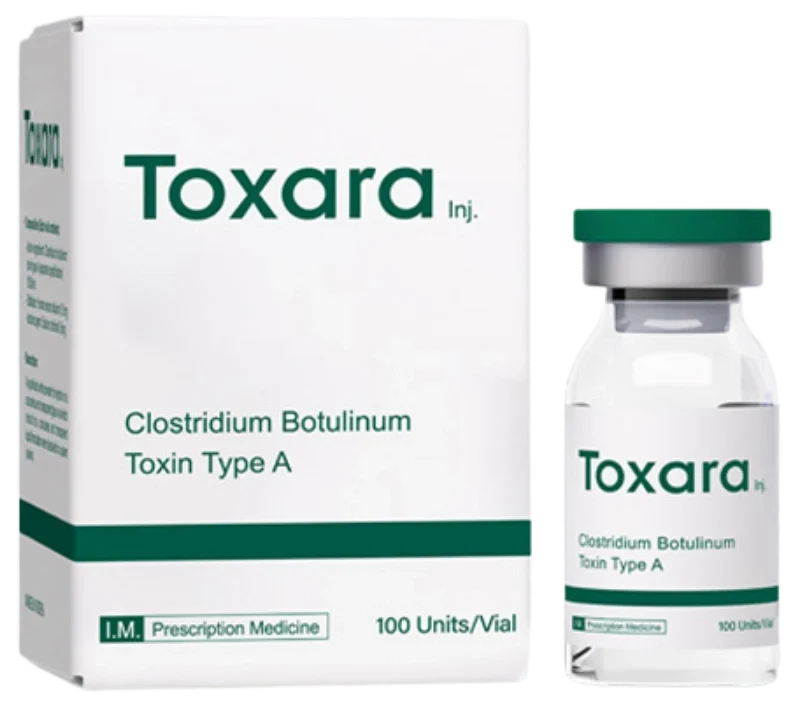
For botulinum toxin treatments, products with consistent potency and reliable reconstitution characteristics help support accurate dosing and reproducible results. Toxara Botulinum Toxin Type A is developed to meet these clinical expectations and can be incorporated into combination treatment plans alongside hyaluronic acid dermal fillers when appropriate.

Conclusion
Botulinum toxin injections and dermal fillers are not competing treatments, they are complementary tools that address different aspects of facial aging. The combined use of botulinum toxin type A and filling agents, such as collagen and hyaluronic acid, can restore facial appearance by the dual mechanisms of reflation and relaxation. In addition, their combined use appears to increase the longevity of tissue dwell time of the filling agent.
As aesthetic medicine continues to evolve, combination therapy is expected to remain one of the most effective and versatile approaches for achieving youthful, harmonious facial enhancement.