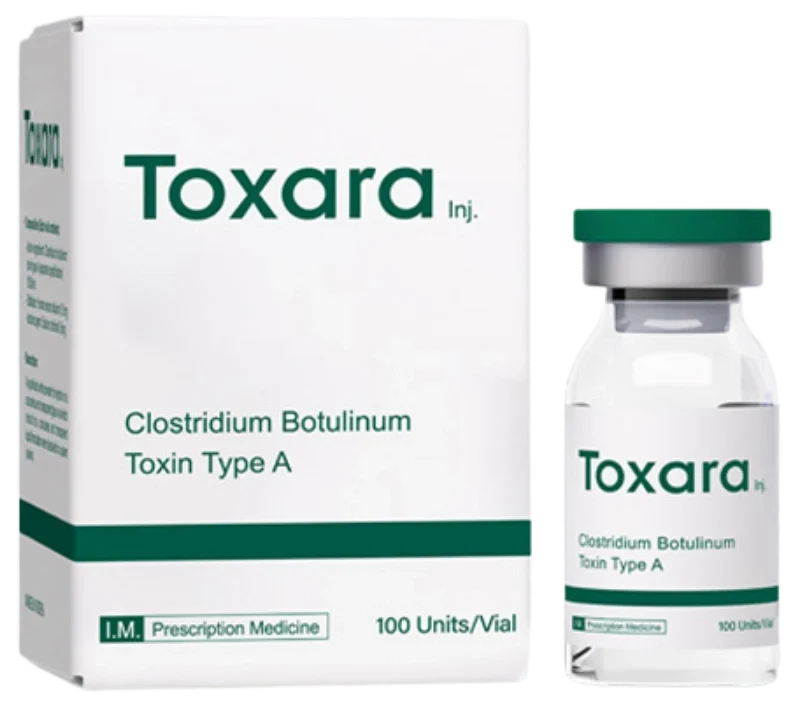
If you’re considering treatment, understanding botulinum toxin side effects is an essential part of making an informed decision. While botulinum toxin injections are generally safe when administered by qualified professionals, as discussed in our guide on is botulinum toxin safe, they can cause certain side effects, most of which are mild and temporary.
The type and severity of side effects can vary depending on the treatment area, dose, injection technique, and individual response. Below, we cover botulinum toxin side effects, from common injection site reactions to rare but serious complications.
Common Side Effects
Most people experience little or no serious problems after botulinum toxin treatment. When side effects occur, they are often mild and affect the area where the injections were given.
1. Bruising, Redness, and Swelling
Small amounts of bruising, redness, swelling, or tenderness around the injection sites are common. These reactions usually appear shortly after treatment and improve within a few days.
A cold pack may help reduce mild swelling and discomfort. Follow your healthcare provider’s aftercare instructions and avoid unnecessary pressure or rubbing on the treated area.
2. Headache
Some people may experience a mild headache after treatment. The exact cause is not always clear, but headaches usually improve within a few days.
Staying hydrated and getting enough rest may help. If you develop a severe or persistent headache, contact a healthcare professional.
Temporary Effects Around the Eyes and Face
When botulinum toxin is injected into the forehead or around the eyes, it can sometimes affect nearby muscles. This may lead to temporary changes in the appearance or movement of the eyebrows, eyelids, or other facial muscles.
1. Eyelid or Eyebrow Drooping
A droopy eyelid or eyebrow can occasionally occur after injections around the forehead or eyes. This may happen if nearby muscles are affected by the treatment.
These effects are usually temporary and improve as the effects of botulinum toxin wear off.
2. Dry Eyes
Injections around the eyes may sometimes affect blinking, which can contribute to dry or irritated eyes.
Lubricating eye drops may help, but if eye dryness or irritation persists, speak with a healthcare professional.
3. Facial Asymmetry or Temporary Weakness
Some people may notice that one side of the face looks slightly different from the other after treatment. Temporary weakness in nearby facial muscles can also occur.
These effects usually improve as the treatment wears off. Proper injection technique and a good understanding of facial anatomy can help reduce the risk.
Rare but Serious Side Effects
Serious reactions are uncommon, but it is important to know the warning signs.
1. Difficulty Swallowing or Breathing
In rare cases, the effects of botulinum toxin may extend beyond the intended treatment area and affect muscles involved in swallowing or breathing.
If you develop difficulty swallowing, breathing, or speaking after treatment, seek emergency medical attention immediately.
2. Widespread Muscle Weakness
Very rarely, botulinum toxin may cause weakness in muscles outside the intended treatment area. This can be a sign that the effects of the toxin have spread beyond the injection site.
If you experience unusual or widespread muscle weakness, difficulty swallowing, speaking, or breathing, seek medical attention promptly.
3. Allergic Reaction
Although uncommon, an allergic reaction to botulinum toxin or another ingredient in the product can occur.
Signs of a serious allergic reaction may include swelling of the face or throat, difficulty breathing, severe dizziness, or widespread hives. Seek emergency medical attention if these symptoms occur.
How Long Do Botulinum Toxin Side Effects Last?
The recovery time depends on the type of side effect. Mild reactions such as redness, swelling, tenderness, and bruising usually improve within a few days.
Temporary effects such as eyelid or eyebrow drooping may take several weeks to resolve. Serious or unusual symptoms should not be ignored, especially if they affect breathing, swallowing, or muscle strength.
Can You Become Resistant to Botulinum Toxin?
With repeated treatments, the body may rarely develop antibodies that reduce the effectiveness of botulinum toxin. As a result, treatment may become less effective or may not last as long as it did previously.
This is uncommon, but the risk may be higher with frequent treatments or higher doses. If you notice that your treatment is no longer working as expected, discuss it with your healthcare provider.
Final Thoughts
Most side effects of botulinum toxin are mild and temporary. Bruising, redness, swelling, tenderness, and mild headaches are among the most common reactions, while effects such as eyelid drooping or facial asymmetry can occasionally occur when nearby muscles are affected.
Serious complications are rare, but knowing the warning signs can help you seek medical attention when necessary. Choosing a qualified healthcare professional, using a properly sourced product, and following aftercare instructions can also help reduce the risk of unwanted effects.