If you’ve ever compared prices for botulinum toxin treatments, you’ve probably noticed something: the same procedure can cost dramatically different amounts from one clinic to the next. A single area might be priced at $200 in one place and $600 just a few blocks away.
So what’s going on? Why do some clinics charge significantly less than others?
The answer isn’t as simple as “cheaper means worse.” There’s actually a range of factors that influence how clinics set their prices and understanding them can help both patients and practitioners make better decisions.

Factor 1: The Product Itself
The most obvious factor is the product being used. Botulinum toxin is not a single commodity. Different brands come at different price points, and clinics have choices.
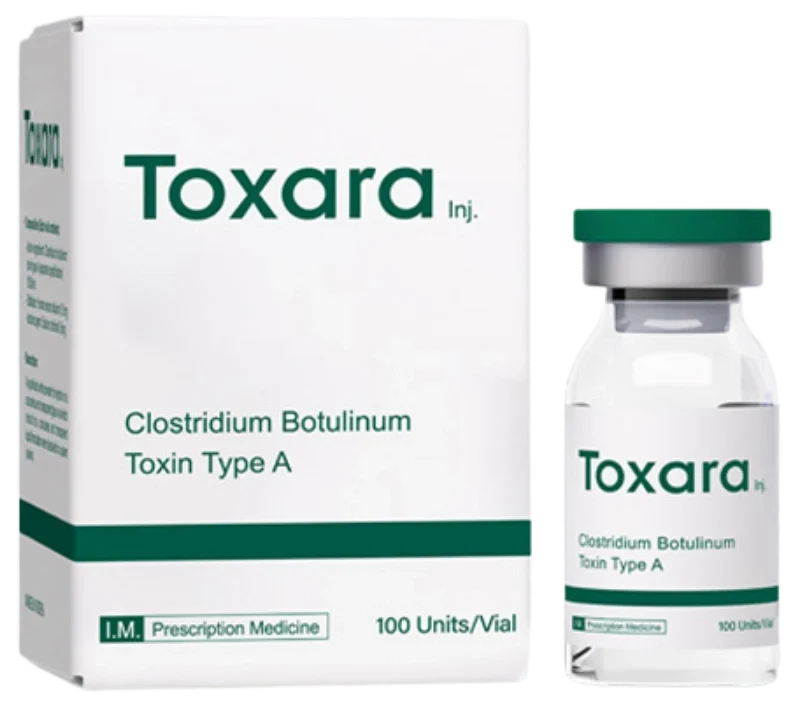
Premium Western brands often carry higher price tags, partly due to the legacy costs of research, marketing, and regulatory approvals built up over decades. Korean brands such as Toxara are often priced more competitively. When a clinic chooses a more affordable botulinum toxin option, they’re not necessarily compromising on quality. They’re making a different purchasing decision. That difference gets passed on to the patient.
Factor 2: Purchase Volume
Like almost any product, botulinum toxin becomes cheaper per unit when clinics buy in larger quantities.
Large clinics or group practices that treat hundreds of patients a month can negotiate better pricing with suppliers. Smaller clinics with lower patient volume typically buy smaller quantities and therefore pay more per vial. This means two clinics using the exact same product might charge different prices simply because one buys more and gets a better deal. The clinic that pays less for their supply can afford to charge less for treatment while maintaining the same profit margin.
Factor 3: Overhead Costs
Clinic overhead varies dramatically.
A clinic in a premium location with high rent, expensive furnishings, and a large support staff has higher operating costs. Those costs have to be covered somehow—and they often show up in the treatment price. A clinic in a more modest location with lower overhead can often charge less while still operating comfortably. The treatment might be identical. The difference is the cost of running the business.
Factor 4: Experience and Reputation
This is the intangible factor.
Clinics with highly experienced injectors, strong reputations, and long waiting lists often charge premium rates. Patients are paying for the injector’s experience and track record as much as they’re paying for the product itself. Newer clinics or those still building their reputation may charge lower prices to attract patients. This is a common market strategy and doesn’t necessarily reflect on product quality—it’s about building a client base.
Factor 5: Geographic Market
Location matters.
Prices in major metropolitan areas tend to be higher than in smaller cities or suburban areas, simply because everything costs more. Rent, staff salaries, and even marketing costs scale with the local economy. A clinic in Manhattan will almost always charge more than a clinic in a mid-sized Midwestern city even if they use the same product and have similar experience levels.
What This Means for Patients
Price is just one signal among many. If you’re comparing prices between clinics, here’s what to keep in mind:
1. Ask what product is being used.
Clinics should be transparent about which botulinum toxin brand they’re using. This information helps you understand the pricing structure and ensures you’re making an informed choice.
2. Consider the whole package.
Factor in the injector’s experience, the clinic’s atmosphere, and your comfort level. These matter as much as the price tag.
What This Means for Clinics
If you’re a clinic owner or practitioner, pricing strategy is a balancing act. Here are two key considerations:
1. Offer affordable options without compromising quality.
Products like Toxara botulinum toxin type A can help you attract a wider range of patients while maintaining high standards. This positions your practice as both accessible and transparent. In a competitive market, that’s a meaningful advantage.
2. Be clear about what you’re offering and why.
Patients appreciate transparency. When they understand the value they’re getting, price becomes less of a barrier.
Conclusion
Botulinum toxin clinic pricing varies for good reasons. A lower price doesn’t necessarily mean lower quality. It often reflects different business decisions and market conditions.
For patients, look beyond the price. Ask questions. Understand what you’re paying for. For clinics, choose products that allow you to offer competitive pricing without cutting corners. Quality and accessibility can go hand in hand, and that’s something worth building a practice around.