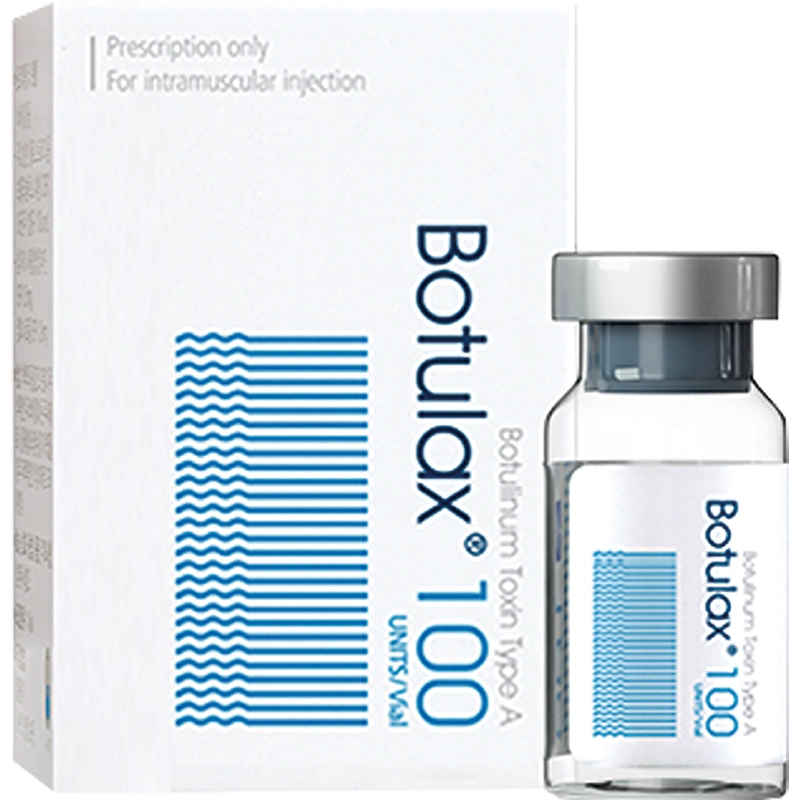
Korean botulinum toxin brands Rentox and Botulax are both commonly used in aesthetic clinics. Both treat dynamic wrinkles effectively, but differences in formulation and handling may influence which one fits your clinic. This comparison covers the main differences.
What Is Rentox?
Rentox is a South Korean botulinum toxin type A product developed by Pharma Research Bio Co., Ltd. It is known for its high purity and effectiveness in treating dynamic wrinkles and other medical conditions.
Rentox is supplied as a lyophilized botulinum toxin type A formulation and is commonly available in 100 unit and 200 unit presentations. In aesthetic practice, it is commonly used in facial rejuvenation treatments, including forehead lines, glabellar lines, crow’s feet, and masseter muscle reduction.

What Is Botulax?
Botulax is a botulinum toxin type A product manufactured by Hugel Inc., one of South Korea’s established aesthetic pharmaceutical companies. Compared with newer Korean toxin brands, Botulax has built stronger market recognition through years of commercial use and international distribution.
Botulax is widely used for facial wrinkle treatment and muscle-modulating procedures, and its broad adoption has made it a familiar option among many aesthetic practitioners. It is available in multiple unit sizes, including 50, 100, and 200 units, making it suitable for different treatment volumes and clinical applications.

Similarities Between Rentox and Botulax
Although Rentox and Botulax are different brands, they have a lot in common.
- Both are South Korean botulinum toxin type A products with the same mechanism, temporarily reducing muscle activity to smooth dynamic wrinkles.
- They are used for similar indications: forehead lines, glabellar lines, crow’s feet, and other muscle-related aesthetic procedures.
- Both come as lyophilized powders that require reconstitution before injection.
- When administered properly, both have demonstrated safety and efficacy in clinical use, with approvals in multiple countries.
Rentox vs Botulax: Key Differences
1. Manufacturer & Market Position
Rentox is manufactured by Pharma Research Bio (South Korea) and represents a newer option in the Korean botulinum toxin market. Botulax, produced by Hugel Inc., has a longer commercial history and broader market recognition, giving many aesthetic professionals more familiarity with the product.
2. Available Dosages
Botulax is available in multiple presentations, including 50U, 100U, and 200U options (depending on market availability). Rentox is commonly supplied in 100U and 200U formats.
3. Formulation
Both Rentox and Botulax are botulinum toxin type A formulations. Differences may exist in their excipients, stabilization components, and manufacturing processes. Botulax is known to use a 900kDa botulinum toxin complex formulation, while Rentox is marketed with its own formulation characteristics.
4. Clinical Experience
Botulax has a longer history of clinical use, meaning more practitioners are familiar with its handling and outcomes. Compared with Botulax, Rentox has a shorter commercial history, meaning there is relatively less long-term clinical experience available in international markets. However, it has gained attention as another Korean botulinum toxin option.
5. Pricing & Availability
Pricing depends on factors such as supplier, region, order volume, and market conditions. Botulax generally benefits from wider market availability due to its established presence, while Rentox availability may vary between regions.
Which One Should Clinics Choose: Rentox or Botulax?
There is no universal answer when choosing between Rentox and Botulax.
Clinics may consider Botulax when:
- They prefer a brand with longer commercial history and broader practitioner familiarity.
- They value multiple dosage options and established market recognition.
Clinics may consider Rentox when:
- They are exploring another Korean botulinum toxin option.
- They are interested in a product with its own formulation characteristics and growing market presence.
Beyond the brand itself, clinics should consider product authenticity, supply chain reliability, and supplier support. The right choice depends on what fits your practice, not which product is “better.”