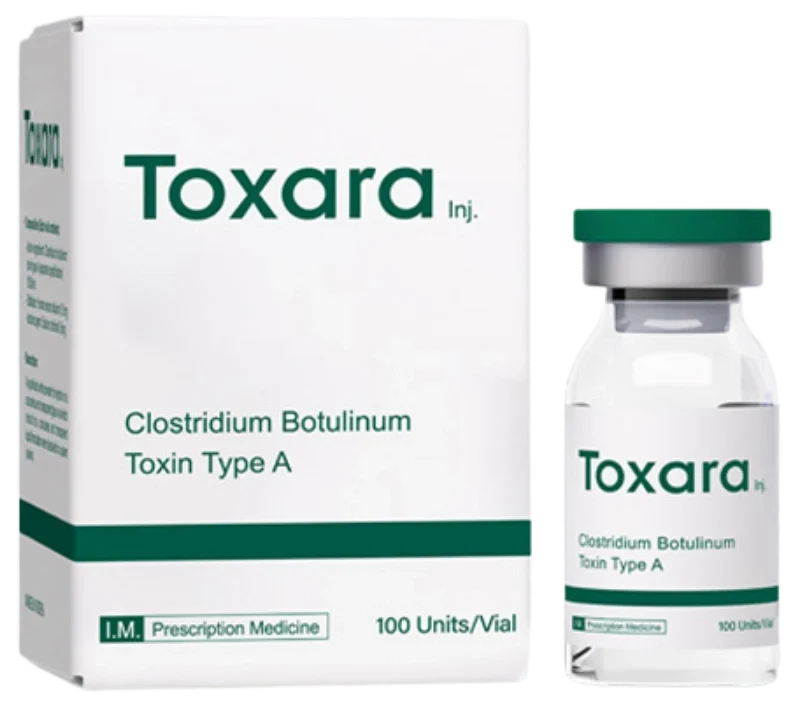
Botulinum toxin type A is widely used in aesthetic medicine for treating dynamic wrinkles and other medical conditions. As the demand for injectable treatments grows, more nurses are getting into the field, and a question comes up: Can nurses buy botulinum toxin type A themselves?
The answer is it depends on the country, local regulations, and the nurse’s professional qualifications. This guide explains when nurses may be able to purchase botulinum toxin type A and the factors they should consider before placing an order.
Is Botulinum Toxin Type A a Prescription Product?
In many regions, botulinum toxin is classified as a prescription medicine, meaning its purchase, storage, and administration are regulated by law.
Depending on local regulations, suppliers may request documentation such as:
- Medical or professional license
- Clinic or healthcare facility registration
- Business information for medical practices
- Import documentation where applicable
Requirements vary significantly between countries, so professionals should always verify local regulations before purchasing.
Can Nurses Buy Botulinum Toxin Type A?
There is no universal yes or no answer. Several factors may affect a nurse’s eligibility to purchase botulinum toxin type A:
1. Professional Qualifications
The type of nursing license matters. A registered nurse (RN) may have different purchasing rights compared to a nurse practitioner (NP), advanced practice nurse (APN), or clinical nurse specialist (CNS). Some regions also require additional certification in aesthetic injectables before a nurse can purchase or administer botulinum toxin independently.
2. Local Regulatory Frameworks
Healthcare laws differ between countries and even between states or provinces. In the U.S., scope-of-practice laws vary by state; some allow NPs full independent practice, while others require physician oversight. In Australia, nurse practitioners may have prescribing rights, but enrolled nurses generally do not. In some countries, even if nurses can administer botulinum toxin, they may not be authorized to purchase it, as purchasing rights often align with prescribing authority, not just clinical competency. Nurses should stay updated on local laws and scope-of-practice changes.
3. Clinic or Medical Facility Affiliation
Many suppliers sell only to licensed clinics, not individual practitioners. Even qualified nurses may need to purchase through a registered clinic, medical director, or supervising physician. Some suppliers also require proof of clinic facilities for proper product storage.
4. Supplier Verification Policies
Reputable suppliers verify customer credentials before processing orders. This may include checking licenses, business registration, or requiring a supervising physician’s endorsement. These policies ensure products reach qualified professionals and prevent diversion to unauthorized users.
5. Import and Export Regulations
For international purchases, import rules may further restrict who can buy botulinum toxin. Some countries ban personal importation of prescription medicines; others require permits. Nurses buying from overseas suppliers should check with local customs or regulatory authorities before ordering.
What Nurses Should Consider Before Purchasing
Beyond eligibility, several practical factors matter before buying.
1. Choosing an Authorized Supplier
Buy only from registered, experienced suppliers who are transparent about product sourcing. Unauthorized sources risk counterfeit products and improper storage.
2. Verifying Product Authenticity
Check labelling, packaging integrity, and batch numbers. Reputable suppliers provide documentation on product origin and regulatory status.
3. Understanding Storage and Transportation Requirements
Botulinum toxin requires strict cold-chain storage (2°C–8°C). Ensure your clinic has proper refrigeration and the supplier guarantees temperature control during transport.
4. Confirming Import Regulations
For overseas purchases, verify permit requirements and quantity restrictions with local authorities before ordering.
5. Ensuring Appropriate Clinical Training and Experience
Clinical competency is the practitioner’s responsibility. Accredited training and supervised practice are essential for safe administration.
For a complete step-by-step guide, see How to Buy Botulinum Toxin as a Professional.
FAQ
Can registered nurses administer botulinum toxin?
Depends on local laws. Some regions allow it under physician supervision; others require additional certification. Check with your state or national nursing board.
Can nurses order botulinum toxin online?
Yes, from authorized suppliers that verify professional credentials. Avoid general e-commerce platforms.
Can aesthetic nurses purchase directly from manufacturers?
Some manufacturers sell directly to qualified clinics, but working through a licensed distributor is often more practical.
Do nurses need physician supervision to purchase botulinum toxin?
In many jurisdictions, yes, especially where a prescription is required. This depends on local prescribing laws.
Is it legal to import botulinum toxin for personal clinic use?
Importing prescription medicines is strictly regulated. Consult local authorities before ordering.
Final Thoughts
So, can nurses buy botulinum toxin type A? The answer depends on the legal requirements in your country and your professional qualifications.
Before purchasing, nurses should verify local regulations, confirm their eligibility, and work with reputable suppliers that provide authentic products and appropriate documentation. Taking these steps helps ensure compliance while supporting safe and professional aesthetic practice.