If you have been exploring different facial wrinkle treatment options, you have likely come across botulinum toxin wrinkle treatment as one of the most popular cosmetic procedures worldwide. It is quick, minimally invasive, and delivers noticeable results. But before you book that appointment, there are several important things you should understand.
This guide covers everything you need to know before your first botulinum toxin wrinkle treatment —from how it works to what you should do beforehand and what to expect afterward.
What Is Botulinum Toxin Wrinkle Treatment?
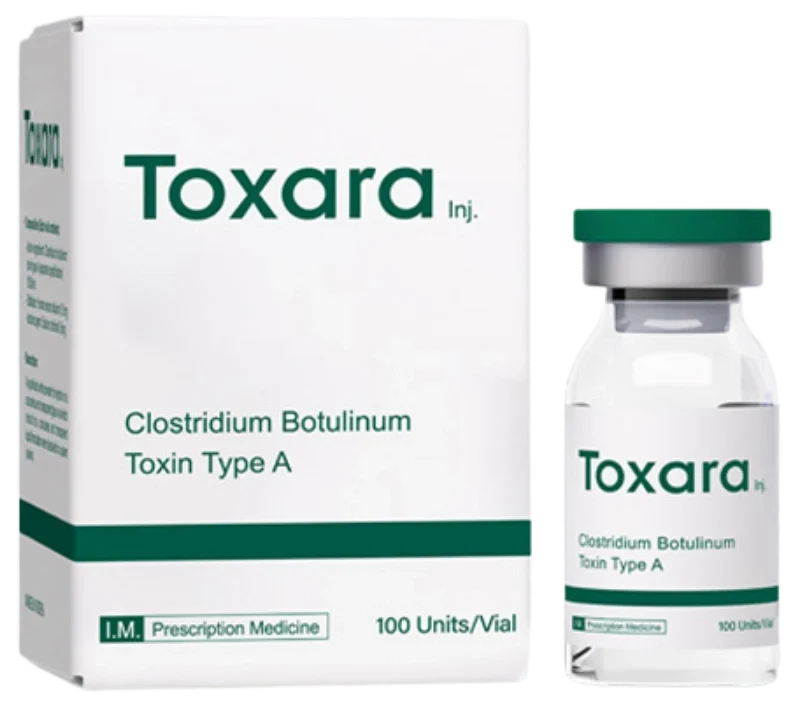
At its core, botulinum toxin wrinkle treatment involves injecting a purified form of botulinum toxin type A into specific facial muscles. Professional-grade botulinum toxin formulations, including Toxara, are widely used in aesthetic clinics for wrinkle treatment applications.

The toxin temporarily blocks nerve signals to those muscles, causing them to relax. When the muscles relax, the overlying skin becomes smoother, and dynamic wrinkles—those caused by repetitive facial expressions—soften or disappear entirely.
It is important to note that botulinum toxin wrinkle treatment does not fill existing wrinkles like dermal fillers do. Instead, it prevents the muscle movement that creates them in the first place. This distinction matters when choosing the right approach for your concerns.
How Botulinum Toxin Works on Wrinkles?
The mechanism behind botulinum toxin wrinkle treatment is well understood and backed by decades of clinical use. When injected in tiny, controlled doses, the toxin binds to nerve endings at the injection site. It prevents the release of acetylcholine, the neurotransmitter responsible for triggering muscle contractions. Without that signal, the muscle stays relaxed.
Within a few days to a week, you will notice the treated areas looking noticeably smoother. The effect is temporary—typically lasting three to six months—as the body gradually metabolizes the toxin and nerve function returns to normal.
What Areas Can Be Treated?
Botulinum toxin wrinkle treatment is most effective for dynamic wrinkles caused by facial expressions. Common treatment areas include:
- Horizontal forehead lines
- Frown lines (11 lines)
- Crow’s feet
- Bunny lines on the nose
- Lip lines (in some cases)
- Chin dimpling
In advanced aesthetic practice, it may also be used for facial contouring and preventative aging strategies.
Your practitioner will assess your facial anatomy and recommend the best approach for your specific needs.
Am I a Good Candidate?
Not everyone is an ideal candidate for botulinum toxin wrinkle treatment. Here is a general checklist:
You may be a good candidate if:
- You are between 25 and 65 years old
- You have dynamic wrinkles (lines that appear when you make expressions)
- You are in good overall health
- You have realistic expectations about the results
- You are not pregnant or breastfeeding
You may not be a good candidate if:
- You have certain neuromuscular disorders (e.g., myasthenia gravis)
- You are allergic to any ingredients in the formulation
- You have an active infection at the proposed injection site
- You are taking certain medications that affect bleeding or muscle function
Always disclose your complete medical history during your consultation.
How to Choose the Right Practitioner?
- Board-certified or highly trained professional – dermatologists, plastic surgeons, or experienced nurse injectors.
- Before-and-after photos – ask to see real results from previous patients.
- Reputation and reviews – check independent platforms, not just the clinic’s website.
- Consultation process – a thorough consultation should include a facial assessment and detailed discussion of your goals.
- Product transparency – they should tell you which brand they are using and why.
Avoid any provider who pressures you into quick decisions or offers prices that seem too good to be true. Quality botulinum toxin wrinkle treatment is a medical procedure, not a bargain purchase.
What to Expect Before, During, and After Treatment

Before your appointment:
One week prior, stop blood-thinners like aspirin, ibuprofen, vitamin E, fish oil, and ginseng. 2–3 days before, avoid alcohol, stay hydrated, and rest well. On the day, arrive with a clean face and update your provider on any health changes.
During the procedure:
Your practitioner reviews your concerns, cleans the area, and injects small amounts into the targeted muscles—you may feel a slight pinch. You will be observed for 5–10 minutes, then given aftercare instructions. The entire session takes 15–30 minutes.
After your treatment:
Results appear gradually—softening within days, full effect at 1–2 weeks, lasting 3–6 months. For the first 24 hours, avoid touching the area, lying flat, heavy exercise, heat exposure, and makeup. For the first week, skip facials, peels, or lasers, and sleep on your back.
Side effects: Common ones include mild bruising, swelling, redness, or headache—all temporary. Rare risks include drooping eyelids or allergic reactions. Choose a qualified practitioner and follow all instructions to stay safe.
How Much Does It Cost?
The cost of botulinum toxin wrinkle treatment varies widely depending on several factors:
- Geographic location – prices differ between cities and countries
- Practitioner’s expertise – highly experienced injectors charge more
- Number of areas treated – more units are needed for larger or multiple areas
- Product brand used – some brands are priced higher than others
In general, most clinics charge per unit or per area. A typical session for one or two areas ranges from moderate to premium pricing. During your consultation, you should receive a clear breakdown of all costs.
Is It Worth It?
For most people, yes—with realistic expectations. A well-done treatment softens aging signs, boosts confidence, and leaves you looking refreshed, not “done.” Think of it as enhancement, not transformation. Choose a qualified practitioner, communicate your goals, and enjoy natural-looking results. When done right, no one will know—they’ll just think you look well-rested.