Botulinum toxin type A is one of the most widely used injectable materials in modern aesthetic medicine. It plays a key role in reducing dynamic facial wrinkles, refining facial contours, and supporting non-surgical facial rejuvenation. As global demand for minimally invasive procedures continues to grow, different brands of botulinum toxin have been developed across various regions. Each brand may vary in formulation characteristics, diffusion behavior, clinical handling, and regulatory background.
For clinics and distributors, understanding these differences is essential for selecting suitable options based on treatment protocols, practitioner preference, and patient needs.
Why Different Botulinum Toxin Brands Exist
Although all botulinum toxin type A products share the same basic mechanism of action, variations in manufacturing processes can result in differences in clinical performance.
These differences may include:
- Protein complex size and purity level
- Diffusion and spread characteristics
- Onset time and duration of effect
- Reconstitution behavior
- Batch-to-batch consistency
Because of these factors, different brands are often preferred for different clinical techniques or aesthetic goals.
Korean Botulinum Toxin Brands
Korean botulinum toxin products are widely used in aesthetic practice, valued for their high purity, low complexing protein content, and cost efficiency. Established brands such as Nabota, Botulax, and ReNTox are commonly selected based on practitioner preference and treatment protocols.
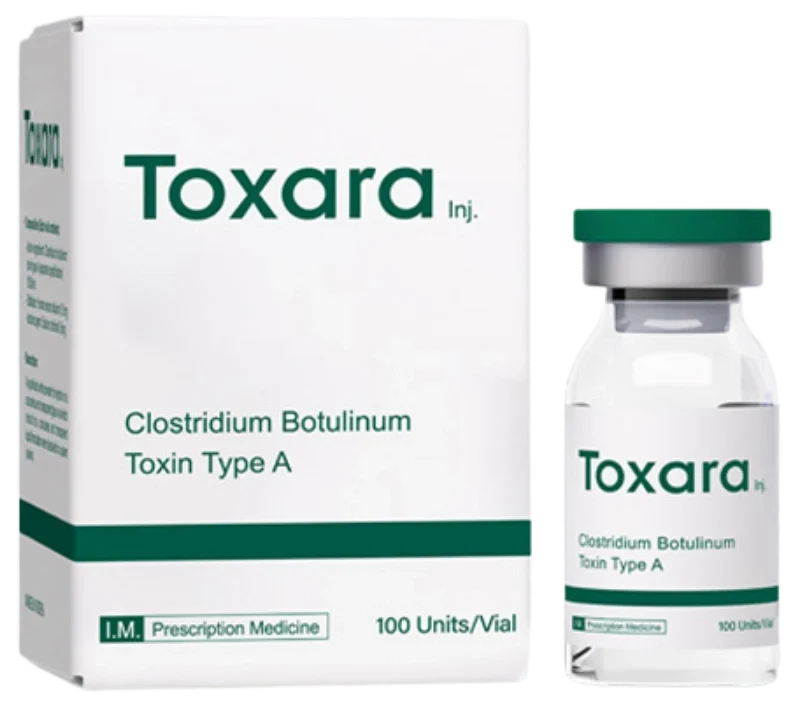
Newer formulations continue to enter the market. Toxara, manufactured by Regenova Biotech, is a highly purified type A product developed with advanced lyophilization technology to ensure molecular integrity and consistent activity. It features controlled diffusion for targeted modulation and smooth reconstitution for reliable clinical handling. While new brands often face initial skepticism, Toxara is produced in GMP-certified facilities using proven technologies. Early feedback suggests its onset, duration, and safety are comparable to better-known alternatives.

Beyond product performance, Korean manufacturers offer flexible pricing and stable supply—appealing to high-volume clinics and emerging markets—while actively pursuing international registrations and expanding global clinical data.
European and Other Global Formulations
Outside Asian markets, botulinum toxin products developed in Europe and other regions are historically recognized for their long-standing clinical development and regulatory establishment. These formulations have played an important role in shaping modern aesthetic medicine and are often referenced in clinical research and regulatory evaluations.
Their key differentiators include:
- Extensive clinical history: Decades of global clinical trials and post-market surveillance provide unmatched safety and efficacy data.
- Regulatory benchmark: They are the reference standards against which new brands are often compared in registration studies.
- Fixed diffusion profiles: Some formulations are known for relatively low diffusion, while others have a higher diffusion tendency
- Premium positioning: Pricing is generally higher, reflecting R&D investment and established market trust.
These brands are often preferred in clinics that prioritize long-term data familiarity and conservative treatment protocols, particularly in mature regulatory markets such as the US and Europe.
How Clinics Choose Between Different Brands
In modern aesthetic practice, the selection of different brands of botulinum toxin is based on clinical objectives rather than brand identity alone. Key decision factors include treatment area, desired diffusion range, onset speed, patient history, and practitioner injection technique.
Many clinics maintain a portfolio of multiple brands to match specific needs:
- Low-diffusion products for delicate areas (e.g., crow’s feet, forehead)
- Higher-diffusion products for larger muscle groups (e.g., masseter, trapezius)
- High-purity options for patients requiring long-term repeat treatments
Korean brands are often preferred for their cost efficiency and purity profiles, making them suitable for high-volume or maintenance-focused practices. Western brands may be chosen when extensive long-term safety data is paramount or when required by local market preferences. Ultimately, the choice reflects a balance between clinical goals, patient history, and business considerations.
Conclusion
The landscape of botulinum toxin brands continues to evolve, with new entrants and established names competing across global markets. While regional differences in formulation characteristics and regulatory history remain, the ultimate goal remains the same—delivering safe, consistent, and natural-looking results for patients. For clinics and distributors, staying informed about the differences between available brands is not just a purchasing decision; it is an investment in treatment quality and patient trust.