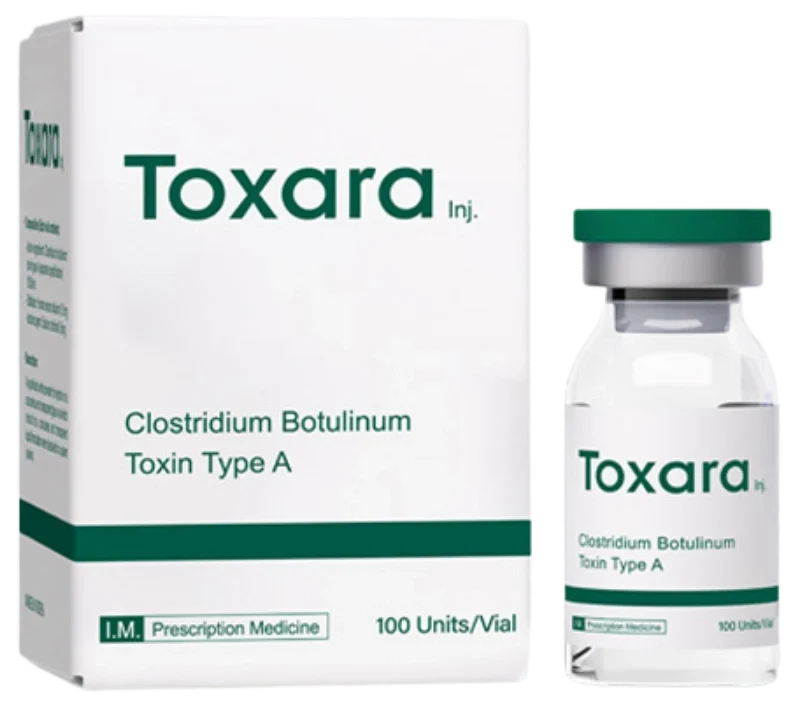
Bruising is one of the most common side effects of botulinum toxin injections. While generally mild and self-resolving within a few days to two weeks, both practitioners and patients often seek ways to minimize its occurrence and speed up recovery. Understanding why bruising happens and how to reduce it can significantly improve treatment experience and overall satisfaction.
Why Does Bruising Occur After Botulinum Toxin Injections?
Bruising occurs when small capillaries beneath the skin are damaged during the injection process, allowing a small amount of blood to leak into surrounding tissues and form visible discoloration.

It is important to note that bruising is not a sign of poor treatment quality—even well-performed procedures can result in minor bruising due to natural anatomical variation.
Clinical Factors That Increase Bruising Risk
Injection-Related Factors:
- Injection site – Some areas, such as the glabella and periorbital region, have higher vascular density and are more prone to bruising.
- Needle size and number of punctures – Larger needles or multiple injection points increase the likelihood of vessel injury. Fine-gauge needles and fewer punctures help minimize trauma.
- Injection depth and speed – Incorrect depth or overly rapid injection may increase tissue disruption and bleeding risk.
Patient-Related Factors:
- Use of blood-thinning medications (e.g., anticoagulants, antiplatelets)
- Supplements such as fish oil, vitamin E, or ginkgo biloba
- Alcohol consumption before treatment
- Naturally fragile capillaries or sensitive skin
How to Reduce Bruising After Botulinum Toxin Injections?
Reducing bruising involves both proper clinical technique and appropriate patient aftercare.
1. Use Proper Injection Technique
Careful injection technique is the most important factor in minimizing bruising. This includes:
- Using fine needles to reduce tissue trauma
- Applying slow and controlled injection pressure
- Avoiding unnecessary multiple punctures
- Selecting correct anatomical injection points
- Avoid Blood-Thinning Substances Before Treatment
Patients are often advised (when medically appropriate) to avoid substances that may increase bruising risk, such as:
- Alcohol
- Aspirin or NSAIDs (unless prescribed)
- Certain herbal supplements like ginkgo biloba or fish oil
Medical advice should always be followed before stopping any medication.
2. Apply Cold Compress After Treatment
Cold compresses can help constrict blood vessels and reduce early bleeding under the skin. This is often recommended immediately after injection.
3. Avoid Touching or Rubbing the Area
Pressure or massage on the treated area can worsen bruising by spreading blood within the tissue. Patients should avoid unnecessary manipulation for at least 24 hours.
4. Follow Post-Treatment Guidelines
Patients are typically advised to:
- Avoid strenuous exercise for 24 hours
- Stay upright for several hours after injection
- Avoid heat exposure such as saunas or steam rooms initially
These steps help stabilize the injected product and reduce vascular stress.
How Long Does Bruising Last?
Most bruising after botulinum toxin injections is temporary. It typically resolves within:
- 2 to 5 days for mild cases
- Up to 10–14 days in more noticeable cases
The body gradually reabsorbs the leaked blood, and the discoloration fades naturally over time.
Can Bruising Be Completely Prevented?
Bruising cannot be completely eliminated, even in ideal conditions, because it results from unavoidable physical interaction between the needle and the skin’s microvasculature.
However, while prevention is not absolute, risk can be significantly reduced through careful injection planning, appropriate needle selection, and proper patient preparation.
Conclusion
Bruising after botulinum toxin injections is a common but temporary side effect that can be effectively minimized through proper clinical technique and patient care. Minor bruising does not reflect treatment quality, it is simply a natural response to injection. With careful practice, practitioners can achieve safe, satisfying outcomes while keeping patient comfort a priority.