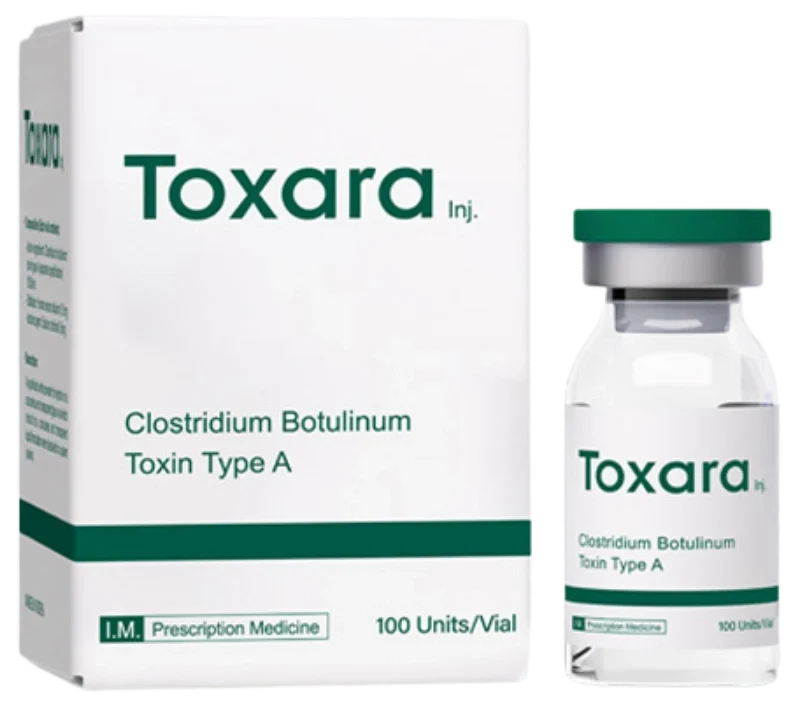
Botulinum toxin products are widely used in aesthetic medicine for the treatment of facial wrinkles, dynamic lines, and facial contouring. For aesthetic professionals, understanding proper botulinum toxin storage requirements is essential, because improper storage directly affects product stability and potency, potentially compromising treatment outcomes.
In this guide, we explain how to store botulinum toxin correctly, discuss shelf life considerations, and highlight common storage mistakes that should be avoided.
Unopened Vial Storage: The Cold Chain Imperative

Common Storage Requirements
The botulinum toxin shelf life begins the moment the product is manufactured, and maintaining the recommended temperature is non-negotiable for preserving potency.
| Parameter | Standard Specification |
|---|---|
| Storage Temperature | 2–8°C (refrigerated) |
| Shelf Life (unopened) | Typically 24–36 months |
For most botulinum toxin products, strict refrigeration at 2–8°C must be maintained throughout the product’s lifecycle—from manufacturing and transport to in-office storage.
Common Storage Considerations
While specific storage conditions may vary between different products, the following general principles apply:
- Refrigeration is standard: Most botulinum toxin formulations require storage at 2–8°C.
- Do not freeze: Freezing can damage the protein structure and reduce potency.
- Protect from light: Store vials in their original carton until use.
- Avoid temperature fluctuations: Frequent opening of the refrigerator door or unstable equipment can compromise product quality.
Important Note: Storage conditions and shelf life vary by manufacturer and product formulation. Always refer to the specific product package insert for the approved storage requirements for each product you use. The information provided here reflects standard industry practice, but individual product labeling should always take precedence.
What Happens When the Cold Chain Is Broken?
Cold chain disruptions are an unavoidable reality in daily practice. Brief temperature excursions may occur during transport or power outages. While some formulations may show resilience to short-term deviations, the manufacturer’s recommended botulinum toxin storage requirements remain the gold standard for ensuring predictable clinical outcomes.
General recommendations:
- If a product has been exposed to temperatures outside the recommended range, quarantine it immediately.
- Contact the manufacturer for guidance specific to that product.
- Do not use products that have experienced prolonged or unknown temperature excursions.
- Document all temperature excursions and actions taken.
Transport and Receiving Protocols
When botulinum toxin products are transported—whether from distributor to clinic or between clinical sites—the cold chain must be maintained:
- Use insulated containers with validated coolants.
- Include temperature monitoring devices with shipments.
- Upon receipt, verify the temperature before accepting the product.
- Document receiving temperatures and immediately place products in appropriate storage.
Important Note: Transport conditions and acceptable temperature ranges may vary by product. Refer to the specific product label for transport guidelines.
Reconstituted Product: The 24-Hour Window
Once a vial is reconstituted, the clock starts ticking. For most botulinum toxin products, the reconstituted solution must be used within a specific timeframe and stored under refrigeration during that period.
Post-Reconstitution Storage
| Parameter | Standard Specification |
|---|---|
| Post-Reconstitution Storage | 2–8°C |
| Recommended Time Limit | Up to 24 hours |
Post-Reconstitution Guidelines
- Use promptly: Reconstitute immediately before use whenever possible.
- Refrigerate after reconstitution: Store the unused portion at 2–8°C.
- Single-dose vials only: Any unused reconstituted product should be discarded after the recommended time limit.
- Visual inspection: Check for particulate matter or discoloration before use—discard if any abnormalities are observed.
Important Note: The post-reconstitution stability period differs between products. Some formulations specify 4–8 hours, while others permit up to 24 hours. Always verify the specific time limit on the package insert for the product you are using.
Stability Beyond Expiration
The botulinum toxin shelf life is established through stability studies conducted under defined conditions. Products should never be used beyond the labeled expiration date, even if they appear unchanged. The neurotoxin’s biological activity may decline gradually over time, and using expired product risks:
- Subtherapeutic effects
- Unpredictable clinical responses
- Increased risk of immunogenicity
- Potential treatment failure
While some in vitro assays may show residual activity beyond the expiration date, clinical efficacy is not guaranteed, and regulatory standards prohibit the use of expired products.
Best Practices for Clinics and Distributors
To maintain product quality and improve inventory management, consider the following recommendations:
- Purchase from reputable suppliers
- Verify cold-chain shipping procedures
- Store products according to manufacturer guidelines
- Monitor refrigeration systems regularly
- Track inventory and expiration dates
- Train staff on proper handling procedures
Implementing these practices can help reduce product waste while supporting consistent clinical outcomes.
Choosing a Reliable Botulinum Toxin Supplier
Storage quality begins long before the product reaches the clinic. Selecting a supplier with established cold-chain logistics and quality-control systems is essential.
When evaluating suppliers, consider:
- Product authenticity
- Manufacturing standards
- Cold-chain transportation capability
- International shipping experience
- Technical support and documentation
- Consistent product availability
A reliable supplier can help clinics maintain product quality from manufacturing through final use.
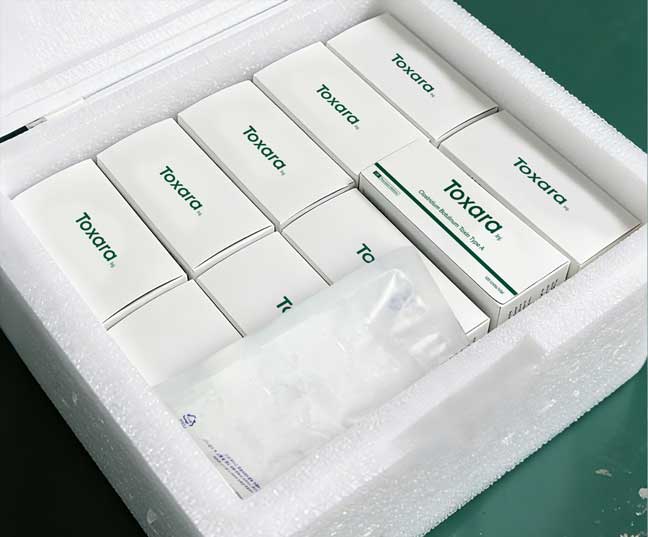
Toxara is distributed through a validated cold-chain network, ensuring every vial arrives at your clinic in optimal condition—ready for safe and effective use. Contact our support team for more details on Toxara and how we can support your practice.
FAQ
Q1: What are the storage requirements for botulinum toxin?
Most products require refrigeration at 2–8°C. Do not freeze, protect from light, and always follow the specific product label.
Q2: How long is the shelf life of botulinum toxin?
Unopened shelf life is typically 24–36 months when stored properly. Once reconstituted, use within 24 hours.
Q3: Does temperature affect botulinum toxin quality?
Yes. Temperatures outside 2–8°C can degrade the protein and reduce efficacy.
Q4: How should botulinum toxin be transported?
Maintain the 2–8°C cold chain using insulated containers with temperature monitoring. Verify temperature upon receipt.
Q5: Why is proper storage important for clinics?
It preserves product potency, ensures consistent outcomes, and prevents costly waste.
Final Thoughts
Maintaining rigorous storage protocols not only protects clinical efficacy but also supports patient safety, practice compliance, and regulatory standards. By understanding and implementing proper botulinum toxin storage requirements, healthcare providers can confidently deliver optimal treatment outcomes while minimizing waste and ensuring the longevity of their product inventory.