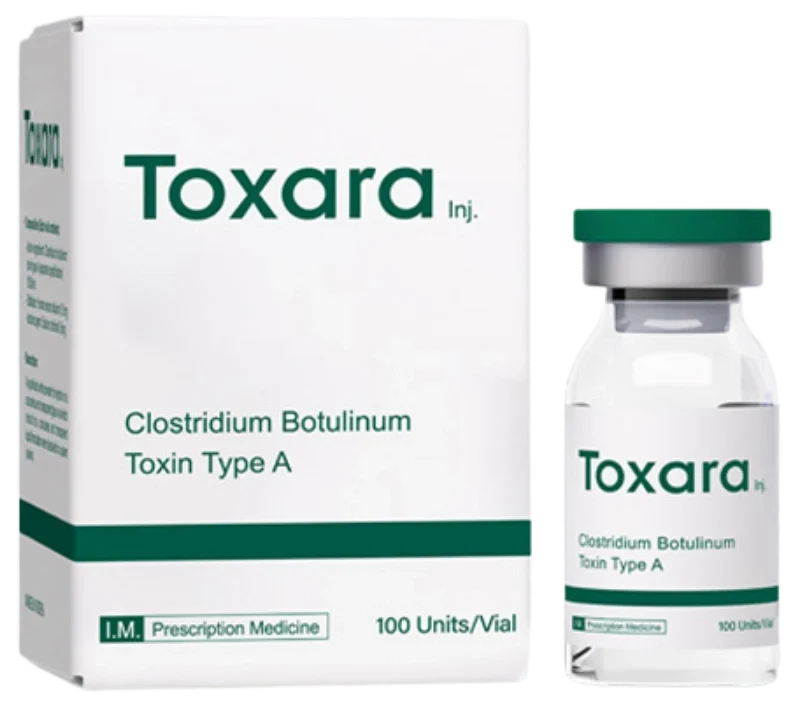
Botulinum toxin is one of the most widely used injectable treatments in aesthetic medicine and medical therapeutics. However, many patients and even some first-time practitioners ask the same question: Is botulinum toxin a neurotoxin?
The short answer is yes. Botulinum toxin is classified as a neurotoxin because it affects communication between nerves and muscles. Despite the term “neurotoxin” sounding alarming, botulinum toxin has been extensively studied and used safely in controlled medical settings for decades. Understanding how it works can help explain why it has become a trusted treatment for both cosmetic and therapeutic applications.

What Is Botulinum Toxin?
Botulinum toxin is a purified protein derived from the bacterium “Clostridium Botulinum”. Scientists have identified several serotypes of botulinum toxin, with Type A being the most commonly used in aesthetic medicine.
In its pharmaceutical form, botulinum toxin is manufactured under strict quality controls and administered in highly purified, carefully measured doses. These medical formulations are designed to provide predictable results while maintaining a strong safety profile when used by qualified professionals.
Why Is Botulinum Toxin Called a Neurotoxin?
A neurotoxin is any substance that affects the nervous system. Botulinum toxin is classified as a neurotoxin because it temporarily blocks the release of acetylcholine, a neurotransmitter responsible for signaling muscles to contract.
When injected into specific muscles, botulinum toxin prevents nerve signals from reaching those muscles. As a result, the targeted muscles relax, reducing movement that contributes to the formation of dynamic wrinkles.
Because the effect is localized to the injection area and gradually wears off over time, botulinum toxin can be used to achieve temporary aesthetic improvements without permanently altering facial anatomy.
How Does Botulinum Toxin Work?
The mechanism of action of botulinum toxin is well understood. Once injected, the toxin binds to nerve endings near the treatment site. It then inhibits the release of acetylcholine, interrupting communication between the nerve and the muscle.
This process can be summarized in four steps:
- Injection into the target muscle.
- Binding to nerve terminals.
- Blocking acetylcholine release.
- Temporary muscle relaxation.
As muscle activity decreases, the overlying skin becomes smoother and existing expression lines become less noticeable.
Common treatment areas include:
- Glabellar lines (frown lines)
- Forehead lines
- Crow’s feet
- Bunny lines
- Chin dimpling
- Neck bands
Results typically begin to appear within several days and may continue improving over the following one to two weeks.
Is Botulinum Toxin Safe?
One of the biggest concerns people have is whether botulinum toxin is safe.
Although botulinum toxin is technically a neurotoxin, safety depends on dosage, purification standards, injection technique, and patient selection.
Medical aesthetic treatments use extremely small and controlled amounts of purified botulinum toxin. When administered by trained healthcare professionals, the treatment has demonstrated a long history of safe use worldwide.
Common temporary side effects may include:
- Mild redness at the injection site
- Swelling
- Bruising
- Tenderness
These effects typically resolve within a few days.
As with any medical procedure, practitioners should follow proper injection protocols and evaluate patient suitability before treatment.
Why Is a Neurotoxin Used for Wrinkle Reduction?
Dynamic wrinkles develop as a result of repeated muscle contractions over time. Every smile, frown, squint, or facial expression contributes to the formation of expression lines. By temporarily relaxing selected muscles, botulinum toxin reduces the repetitive movements responsible for these wrinkles. This allows the skin to appear smoother and more refreshed while maintaining natural facial expressions when appropriate dosing and injection techniques are used.
Unlike invasive procedures, botulinum toxin treatments are typically quick, require minimal downtime, and allow patients to return to their daily activities shortly after treatment. For this reason, botulinum toxin remains one of the most popular non-surgical aesthetic treatments worldwide.
Medical Uses Beyond Aesthetics
Botulinum toxin is not limited to cosmetic procedures.
Healthcare professionals also use it for various therapeutic applications, including:
- Chronic migraine management
- Muscle spasticity
- Cervical dystonia
- Hyperhidrosis (excessive sweating)
- Blepharospasm
These medical applications further demonstrate the versatility of botulinum toxin and the extensive clinical research supporting its use.
Choosing a High-Quality Botulinum Toxin Product
The quality of a botulinum toxin product can significantly influence treatment consistency and patient satisfaction.
Practitioners often consider factors such as:
- Purity of the formulation
- Manufacturing standards
- Product stability
- Clinical performance
- Reliable supply chain
Selecting products from reputable manufacturers can help support predictable outcomes and practitioner confidence.
FAQ
Q1: Is botulinum toxin a neurotoxin?
Yes. Botulinum toxin is classified as a neurotoxin because it affects nerve-to-muscle communication by blocking acetylcholine release.
Q2: Does being a neurotoxin mean it is dangerous?
Not necessarily. In aesthetic medicine, highly purified botulinum toxin is administered in carefully controlled doses and has a long history of safe clinical use.
Q3: How long do botulinum toxin results last?
Results generally last between three and six months, although duration may vary depending on the treatment area, dosage, and individual patient factors.
Q4: Can botulinum toxin prevent wrinkles?
Many practitioners use botulinum toxin proactively to reduce repetitive muscle activity that contributes to wrinkle formation over time.
Conclusion
So, is botulinum toxin a neurotoxin? The answer is yes. However, understanding its mechanism of action provides important context.
When manufactured to high-quality standards and administered appropriately, botulinum toxin continues to play a leading role in modern aesthetic medicine. For practitioners seeking reliable treatment outcomes, selecting a high-quality botulinum toxin formulation remains an important part of successful patient care.