Botulinum toxin is one of the most widely used non-surgical treatments in aesthetic medicine. It is commonly used to reduce facial wrinkles and to manage certain medical conditions related to muscle activity.
Botulinum toxin is derived from the bacterium Clostridium botulinum, which naturally produces a neurotoxin. In its purified and controlled medical form, it is used in extremely small, regulated doses that are considered safe when administered by qualified professionals.
What Is Botulinum Toxin Type A
In medical and aesthetic practice, botulinum toxin type A is the most commonly used form. It works by temporarily blocking nerve signals to targeted muscles, leading to reduced muscle activity in specific treatment areas.
In addition to botulinum toxin type A, stabilizing ingredients such as human albumin and sodium chloride may be included to maintain product consistency and effectiveness. Different formulations exist in clinical practice, and healthcare professionals select products based on treatment needs.
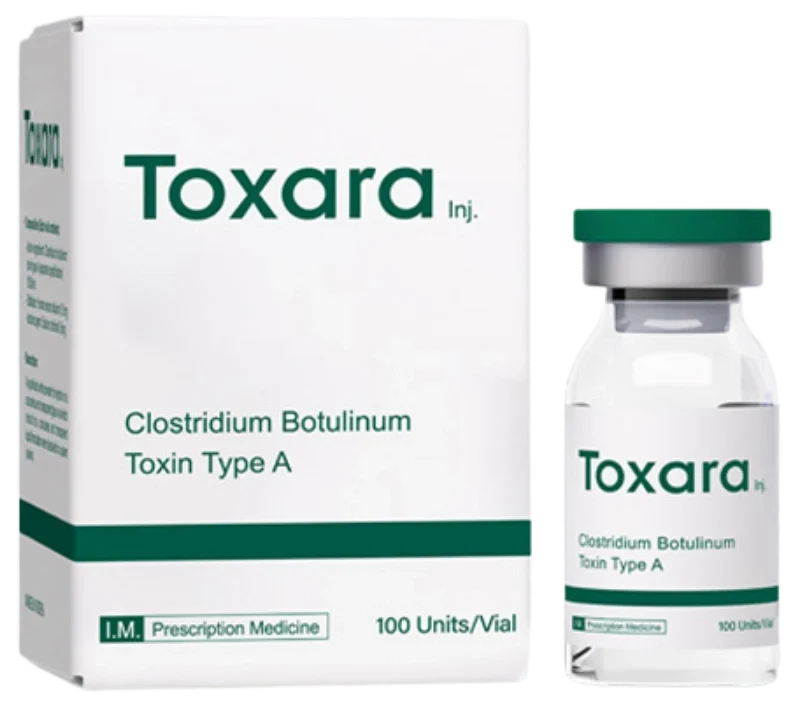
For example, Toxara is a botulinum toxin type A formulation designed for professional clinical use. If you are interested in learning more about product specifications or professional use options, you can contact our team for further information.

Cosmetic Applications
In aesthetic medicine, botulinum toxin is commonly used to reduce the appearance of dynamic facial wrinkles, such as frown lines, forehead lines, and crow’s feet.
It may also be used for minor aesthetic corrections, including improving facial symmetry and reducing a gummy smile.
The effects are temporary, typically lasting around three to six months, after which repeat treatment may be needed.
Medical Applications
In medical practice, botulinum toxin is used for a range of neuromuscular conditions, including:
- Cervical dystonia
- Chronic migraine
- Hyperhidrosis (excessive sweating)
- Muscle spasticity in upper and lower limbs
- Urinary incontinence
Treatment should always be determined by a qualified healthcare professional based on individual medical evaluation.
Safety Considerations
Botulinum toxin should only be administered by qualified healthcare professionals following proper clinical evaluation.
A thorough consultation is necessary before treatment to assess medical history, contraindications, and suitability.
Possible Side Effects
Most side effects are mild and temporary, including:
- Redness or swelling at the injection site
- Mild headache or discomfort
- Temporary sensitivity in the treated area
In rare cases, more serious reactions such as allergic responses or muscle weakness may occur. Patients should seek medical attention if severe or unusual symptoms appear.
Contraindications for Botulinum Toxin Treatment
Botulinum toxin treatment is not recommended for individuals with:
- Known hypersensitivity to ingredients
- Neuromuscular disorders
- Active infections or acute illness
- Pregnancy or breastfeeding
- Unstable chronic medical conditions
It should also be used with caution in patients taking medications that affect neuromuscular transmission.
Conclusion
Botulinum toxin is a well-established treatment in both aesthetic and medical fields, offering a versatile approach to managing facial aging concerns and various neuromuscular conditions. When used appropriately, it provides predictable and temporary results with a wide range of clinical applications.
As with any medical procedure, outcomes depend on proper patient selection, correct dosing, and administration by qualified healthcare professionals. If you are considering botulinum toxin treatment, it is recommended to consult a qualified practitioner to discuss your individual needs and expectations.