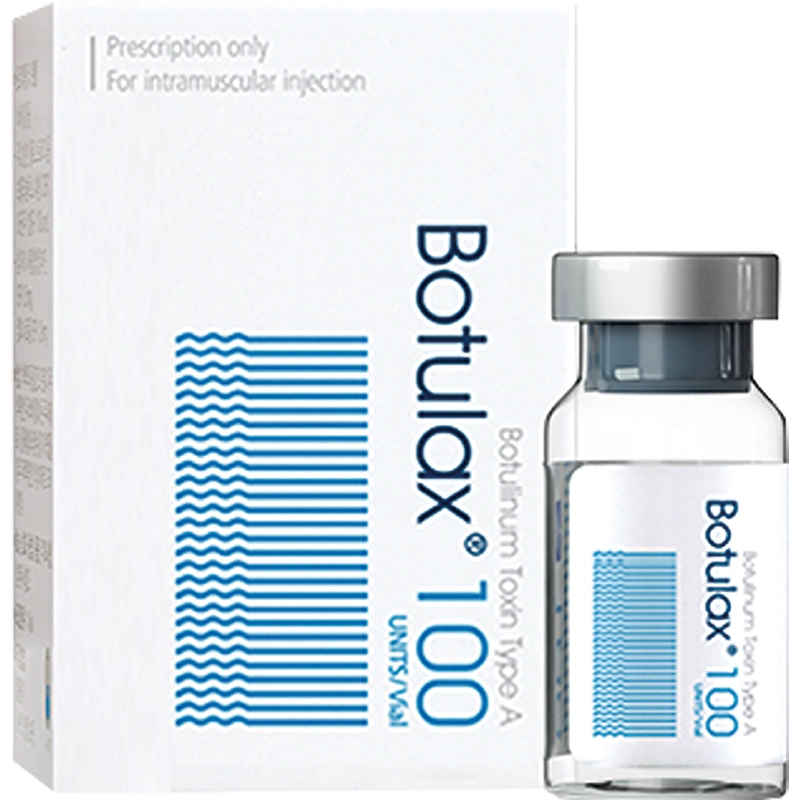
Botulinum toxin has earned its place as one of the most popular injectable treatments in modern aesthetics. In the right hands, it delivers consistent, natural-looking results by softening dynamic wrinkles and restoring facial balance. Yet there is a question that lingers in the minds of both practitioners and patients: Can you overdose on botulinum toxin?
The reality is that overdosing is rare when protocols are followed correctly. But rare does not mean impossible. Factors like using too much product, mishandling reconstitution, injecting poorly, or failing to assess the patient properly can all tip the scales toward undesirable effects. For any clinic or practitioner offering these treatments, understanding the relationship between dosage, administration, and safety is not optional, it is essential.
What Does Botulinum Toxin Overdose Mean?
Botulinum toxin overdose does not simply refer to using a larger amount of product. In clinical practice, it generally refers to situations where the administered dose is higher than appropriate for a specific treatment area or patient.
The appropriate botulinum toxin dosage depends on a range of factors, so a dose that suits one patient or treatment area may not be suitable for another.
What Are the Signs of Too Much Botulinum Toxin?
While most side effects from cosmetic botulinum toxin treatments are temporary and mild, excessive dosing or improper injection placement can increase the risk of unwanted effects.
Possible signs to watch for include:
- Overly weakened facial muscles, leading to a frozen or unnatural expression
- Facial asymmetry, where one side looks different from the other
- Eyelid or brow ptosis (drooping)
- In rare cases, difficulty swallowing or generalized muscle weakness, which are more commonly associated with much higher doses used in therapeutic settings
What to Do After a Botulinum Toxin Overdose?
Unlike some medications, there is no immediate reversal agent for botulinum toxin. Once injected, the toxin binds to nerve endings, and its effects cannot be reversed pharmacologically. Management focuses on monitoring symptoms and providing supportive care while the body naturally recovers over time.
The appropriate approach depends on the severity of symptoms:
Mild Symptoms
For mild effects such as slight asymmetry, excessive muscle relaxation, or temporary discomfort, healthcare professionals usually recommend monitoring the condition. In many cases, symptoms gradually improve as the botulinum toxin activity decreases over time.
More Noticeable Effects
If unwanted effects affect facial movement or cause functional concerns, a healthcare professional may evaluate the treated areas and provide appropriate management based on the patient’s condition.
Severe or Unusual Symptoms
Symptoms such as difficulty swallowing, breathing problems, or significant muscle weakness require immediate medical attention.
Because botulinum toxin effects are temporary, recovery usually occurs gradually as nerve-muscle communication returns over time.
How Can Clinics Prevent Botulinum Toxin Overdose?
For aesthetic clinics, prevention comes down to three things: training, preparation, and planning.
1. Follow Recommended Dosage Guidelines
Stick to established dosing protocols. Adjust based on each patient’s anatomy and treatment goals, not a one-size-fits-all approach.
2. Ensure Proper Product Preparation
Reconstitution needs to be accurate. Even a small miscalculation can throw off the concentration and affect both safety and results.
3. Evaluate Each Patient Individually
A thorough consultation is essential. It helps identify contraindications and ensures the chosen dose actually fits the patient.
4. Use Products from Reliable Suppliers
Authentic products and proper storage matter. A compromised supply chain can affect potency, and that is a risk no clinic should take.

Final Thoughts
So, can you overdose on botulinum toxin? The answer is yes, but in practice, it is highly unlikely when proper protocols are followed. The real question is not whether overdose happens, but why it happens, and the answer almost always comes down to human error. That is actually good news, because human error is preventable.
For patients, this means choosing a provider you trust. For clinics, it means never treating safety as an afterthought. Get these basics right, and the risk of complications drops significantly. Patients get predictable, natural-looking results, and that is what good practice is all about.