Botulinum toxin type A has revolutionized both aesthetic medicine and therapeutic treatments, offering millions of patients a safe, effective, and minimally invasive way to address dynamic wrinkles, muscle bulk, and even excessive sweating.
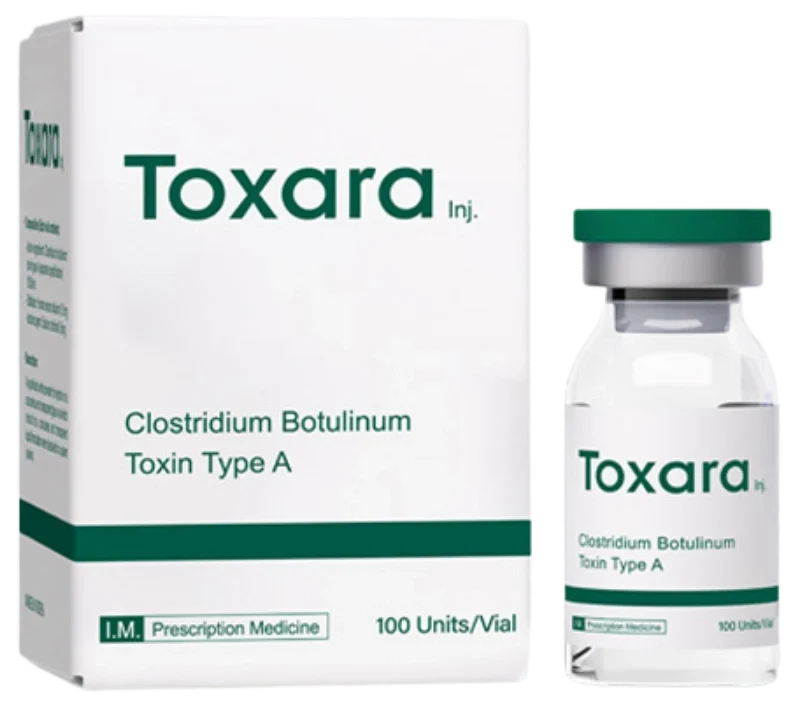
Toxara is a botulinum toxin type A formulation that requires precise handling and technique to achieve optimal results. This guide serves as a practical reference for clinicians and a detailed overview for those considering treatment, focusing on the specific techniques and protocols that ensure optimal safety and results.

Understanding the Mechanism of Action
Before diving into technique, it’s essential to understand how Toxara works. As a highly purified botulinum toxin type A, it functions by targeting the neuromuscular junction. When injected, it binds to presynaptic nerve terminals, blocking the release of acetylcholine. This prevents the nerve signal from reaching the muscle, resulting in a temporary, localized relaxation.
This mechanism is the foundation for all applications—whether smoothing facial wrinkles, slimming the masseter muscles, or reducing hyperhidrosis by inhibiting sweat gland stimulation.
Clinical Applications: Areas of Treatment
Toxara’s versatility allows it to be used across a wide range of anatomical areas. Common treatment sites include:
- Forehead lines (Frontalis)
- Glabellar folds (Frown lines)
- Crow’s feet (Lateral canthal lines)
- Periorbital zone
- Nasolabial folds (when indicated, often in combination with fillers)
- Normalizes sweating of palms
- Armpits with hyperhidrosis
Reconstitution Protocol
100U vial: Dilute with 2.5 ml of 0.9% sterile, preservative-free normal saline.
Final Concentration: 4 Units per 0.1 ml.
Storage: Reconstituted Toxara should be used within 24 hours and stored under refrigeration at 2–8°C to maintain potency.
Injection Tools
While micro-needling and mechanical injection devices exist, hand injection remains the gold standard for precision. Using the correct instruments enhances precision and reduces discomfort.
Needle: A 30-gauge insulin needle (typically ½ inch or 8mm) is the standard. It provides excellent control and minimizes pain at the injection site.
Syringe: A 0.5ml or 1.0ml low-dead-space syringe is recommended for accurate dose measurement, particularly for small, precise units.
Injection Depth
There is no one-size-fits-all approach to injection depth—the ideal plane depends on the target tissue.
Muscle Layer
For larger muscles such as the masseter, trapezius, or gastrocnemius, the injection should be delivered into the muscle belly to achieve adequate relaxation. This is the primary mechanism for slimming the face, shoulders, or calves.
Intradermal or Subcutaneous Layer
For cosmetic wrinkles such as forehead lines, glabellar frown lines, and crow’s feet, the injection is typically placed more superficially. This allows for precise action on the superficial muscle fibers, minimizing the risk of unintended diffusion to adjacent muscles and reducing complications such as ptosis.
Special Considerations (e.g., Temple)
When injecting the temporal region, caution is essential due to the dense vascular network and thin fat layer. The ideal insertion point is the interface between the dermis and the fat layer. Injecting too superficially may result in peau d’orange (orange peel) texture, while injecting too deeply increases the risk of hematoma and vascular complications.
Clinical Principle: As a general rule, err on the side of deeper injection to avoid visible skin irregularities. However, for delicate facial muscles, a precise mid-dermis or superficial muscle injection is preferred.
Anesthesia Recommendations
Most patients tolerate Toxara injections with minimal discomfort, often described as a mild pinch. However, patient comfort is paramount. Most cases do not require formal anesthesia. Consider topical anesthesia for patients who are:
- Highly sensitive to pain.
- First-time patients with significant anxiety.
- Receiving multiple, dense injections (e.g., neck rejuvenation).
- Emotionally focused on the procedure.
Recommended Methods:
- First Priority (Non-Pharmacologic): Simple ice application for 1–2 minutes before injection. This provides excellent vasoconstriction and numbing.
- Second Priority (Topical): Apply a lidocaine-based topical anesthetic cream for 10–20 minutes. Crucially, the skin must be thoroughly cleansed to remove all residual cream before injection to prevent it from entering the injection site and causing discomfort.
Results and Treatment Schedule
Understanding the timeline helps set patient expectations.
Onset of Action: Visible improvements typically appear within 3 to 5 days, with maximal effect seen around 2 weeks.
Treatment Interval: A single treatment lasts approximately 3 to 6 months. Patients should not be retreated more frequently than every 3 months.
Duration of Effect: Clinical effects generally last 3 to 5 months, depending on the individual’s metabolism, the area treated, and the dosage used.
Final Thoughts
Toxara botulinum toxin type A injections represent a sophisticated blend of science and art. Achieving natural-looking, safe, and effective results relies on a combination of product knowledge, anatomical expertise, and meticulous technique. From selecting the correct injection depth and dosage to prioritizing patient comfort with targeted anesthesia, every step matters.
Whether used for aesthetic refinement or therapeutic benefit, Toxara offers a reliable solution when administered by a qualified and experienced practitioner. As with all medical procedures, a thorough consultation to discuss goals, medical history, and potential risks is the essential first step.