Botulinum toxin type A for smile lines has become an increasingly discussed option in facial aesthetics, particularly for patients seeking to smooth perioral wrinkles while maintaining natural expressions.
Unlike static wrinkles caused by skin aging and volume loss, smile lines are dynamic folds driven by repeated muscle contraction around the mouth—becoming more visible when smiling or speaking, and potentially persisting at rest over time. For practitioners, achieving natural-looking results with botulinum toxin type A for smile lines requires more than just reducing muscle activity. It also calls for thorough patient assessment, precise injection technique, and consistent product quality.

How Does Botulinum Toxin Type A Help Improve Smile Lines?
Botulinum toxin type A works by temporarily reducing nerve signals to specific muscles. For smile lines, the goal is not to immobilize the area, but to modulate overactive muscle pull without weakening the muscles essential for smiling. This means:
- Softening the crease without flattening the cheek
- Preserving the natural upward curve of the mouth during expression
- Avoiding unintended spread to adjacent muscles that control lip movement or mouth closure
- Maintaining symmetry, as the two sides of the face often respond differently
Because the perioral region has a high concentration of fine motor units, even small variations in dosage or placement can noticeably affect a patient’s smile. Success depends on the practitioner’s ability to balance these fine-tuned adjustments.
Injection Considerations for Botulinum Toxin Type A for Smile Lines
The perioral region presents unique challenges for botulinum toxin injection. Unlike the forehead or glabella—where muscles are relatively broad and target zones well-defined—the mouth area contains multiple small, interwoven muscles with opposing functions. The zygomaticus major elevates the mouth corner, the orbicularis oris constricts the lips, and the depressor anguli oris pulls it downward. Targeting one without affecting the others requires precise spatial awareness.
1. Anatomical Variation
Muscle insertion points and fiber orientation vary significantly among individuals. A patient with a shallow nasolabial fold may respond differently than one with a deep, fixed crease. Similarly, asymmetry between the left and right sides is common. Practitioners must assess each patient’s dynamic smile pattern not just static anatomy before deciding on injection sites.
2. Dose and Placement Precision
The effective dose range for smile lines is notably narrow. Over-injection by as little as 1–2 units per side can lead to lip ptosis, asymmetric smile, or difficulty pronouncing certain consonants. Conversely, under-treatment may fail to soften the target lines. Placement is equally critical: injections placed too medially may weaken lip seal and affect oral competence; those placed too laterally may miss the target muscle altogether.
3. Managing Unintended Spread
The muscles around the mouth are small and densely packed. Diffusion of botulinum toxin to adjacent areas even within a few millimeters can inadvertently affect the depressor anguli oris or levator labii, altering the resting lip position or causing a crooked smile. Using lower concentration and smaller injection volumes helps minimize this risk.
The Role of Product Quality in Smile Line Outcomes
Even with optimal technique, treatment outcomes depend heavily on the product itself. This is especially true for smile line correction, where the perioral region’s narrow therapeutic window leaves little room for error inconsistent potency or unpredictable diffusion can undermine even the most careful injection plan.
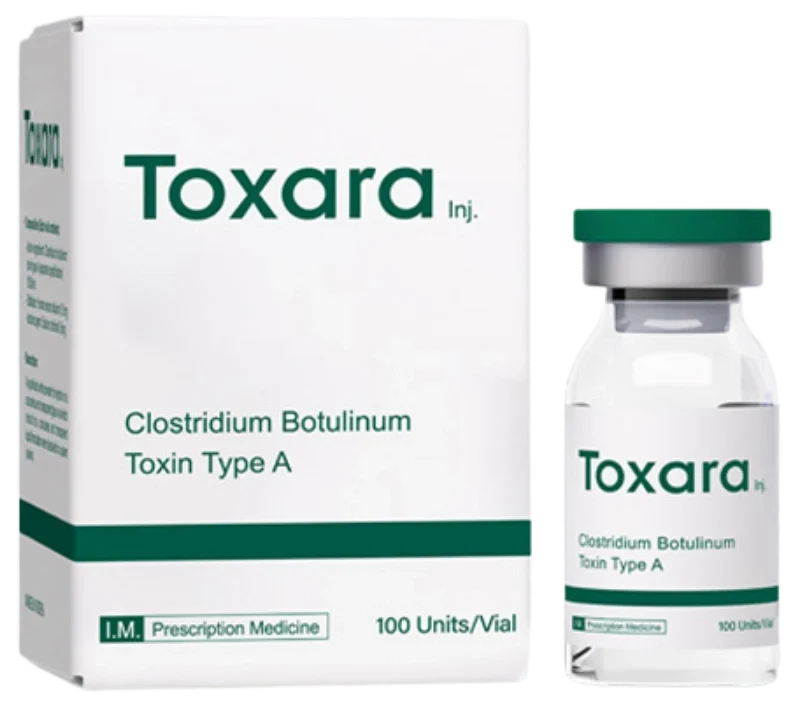
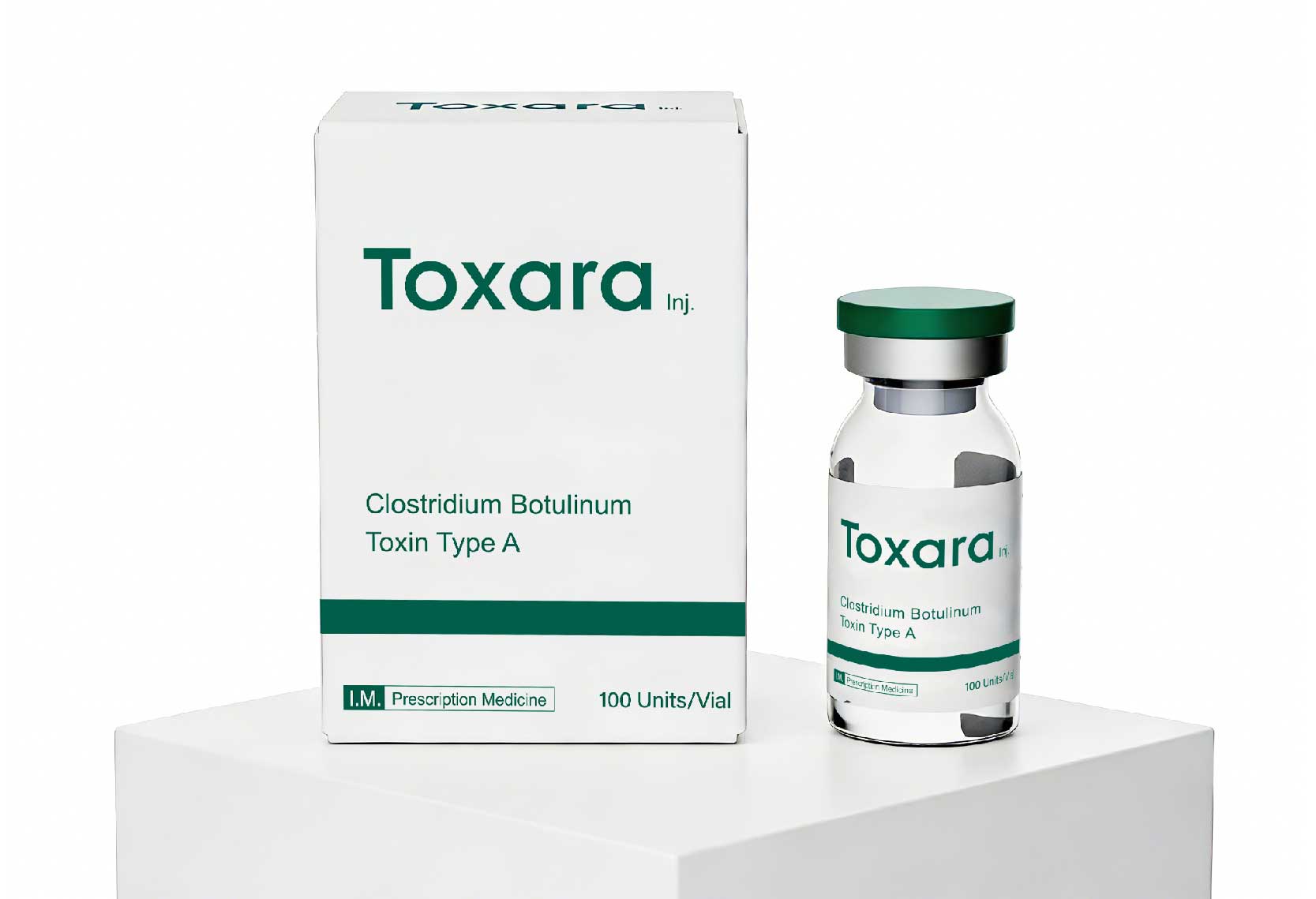
Toxara Botulinum Toxin Type A is manufactured with this in mind. Its 99.9% purity and controlled freeze-drying process are designed to deliver consistent potency batch after batch, with low diffusion properties that enable precise localization giving practitioners greater confidence in dose-response prediction, particularly in high-precision indications like smile line correction.
Conclusion
In summary, successful smile line treatment with botulinum toxin type A hinges on three pillars: accurate anatomical assessment, careful dose placement, and consistent product quality. When balanced effectively, patients achieve natural-looking results without compromising their expressive smile.
As the demand for subtle, personalized aesthetic outcomes continues to grow, the importance of thoughtful treatment planning and high-quality products such as Toxara Botulinum Toxin Type A becomes increasingly evident in everyday clinical practice. Practitioners interested in learning more about Toxara are welcome to reach out to our medical affairs team.