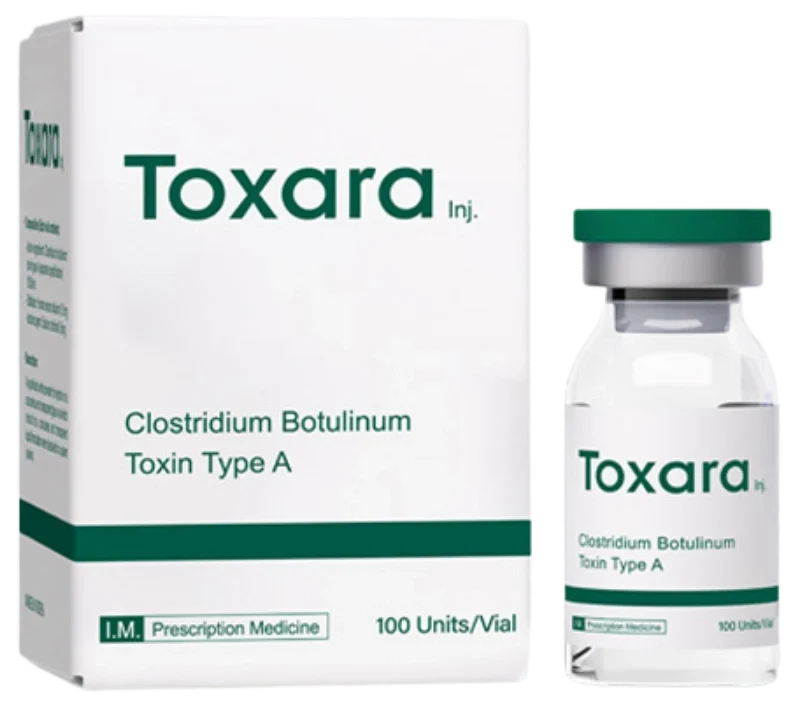
Botulinum toxin is one of the most commonly used injectable treatments worldwide. Its effects are temporary, typically lasting around three to six months, after which normal nerve and muscle activity gradually returns.
Because of this reversible mechanism, individuals who are satisfied with their results often choose to undergo repeat treatments to maintain the aesthetic effect.
This naturally raises an important question about the long-term effects of botulinum toxin. Current clinical experience and research provide several important insights.

Potential Long-Term Considerations
1. Changes in Muscle Activity
With repeated use over time, the targeted muscles may experience a reduction in activity due to consistent relaxation. In some cases, mild muscle thinning may occur in frequently treated areas.
As certain muscles become less active, surrounding muscles may play a greater role in facial expressions. Proper dosing and individualized treatment planning are important to maintain balanced results.
2. Skin Texture and Contour Variations
In some long-term users, subtle changes in skin texture or contour may be observed in treated areas. These effects are generally associated with injection technique, dosage, and treatment patterns rather than the substance itself.
Careful injection planning and conservative dosing can help minimize these risks.
3. Reversibility After Discontinuation
If treatment is stopped, muscle activity gradually returns as nerve function recovers over time. Facial expressions and natural aging processes continue as before.
Long-term use should therefore be understood as a reversible maintenance approach rather than a permanent structural change.
Potential Long-Term Benefits
1. Reduction in Wrinkle Formation
Repeated relaxation of facial muscles can reduce the repetitive movements that contribute to dynamic wrinkles. Over time, this may also help slow the development of deeper static lines that appear at rest.
2. Sustained Aesthetic Improvement
Some clinical observations suggest that long-term users may maintain smoother skin appearance for longer periods, even between treatment cycles, compared to baseline aging.
3. Increased Treatment Efficiency Over Time
In certain cases, muscles may respond more predictably after repeated treatments, potentially allowing for adjusted dosing or longer intervals between sessions.
4. Preventive Effects in Early Use
In younger individuals, early and conservative use may help reduce habitual facial expressions such as frowning, which are associated with wrinkle formation over time.
Case Study Evidence
A 2006 study involving identical twins observed long-term differences in facial aging. One twin received regular botulinum toxin treatments over a 12-year period, while the other had only two treatment sessions.
Even several months after the last treatment, the regularly treated twin showed less noticeable crow’s feet compared to the untreated sibling.
What happens when you stop using botulinum toxin?
If treatments are stopped, muscle activity gradually returns, and facial expressions along with natural skin aging continue as before. In other words, the benefits of botulinum toxin are not permanent, and neither are its effects once treatment is paused.
Long-term use is often viewed as an ongoing maintenance approach rather than a permanent alteration of facial structure. Patients are encouraged to evaluate the benefits and considerations with a qualified medical professional before continuing regular treatments. For guidance on maintaining results, see: How Often Should You Get Botulinum Toxin Injections
Conclusion
Long-term effects of botulinum toxin are generally mild, reversible, and highly dependent on treatment strategy. When administered appropriately, it remains one of the most widely used non-surgical aesthetic treatments for both corrective and preventive purposes.