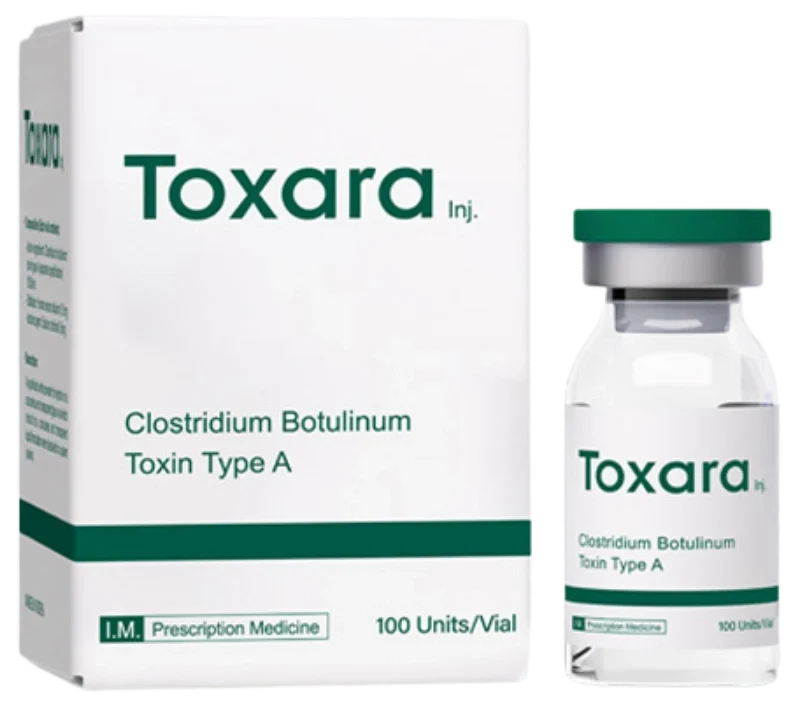
“I had the treatment, but I didn’t see much change.” If this sounds familiar, you are not alone. Many patients who receive botulinum toxin injections for aesthetic or therapeutic purposes sometimes feel that the results are not as noticeable as expected.
But in most cases, “not working” does not mean the product itself is ineffective. Treatment outcomes are influenced by multiple clinical, technical, and individual factors. Understanding these can help improve both patient confidence and treatment results.

Types of Non-Response: Which One Applies?
In clinical practice, non-response is generally classified into two types:
1. Primary Non-Response
Primary non-response refers to patients who show little or no visible improvement even after their first treatment.
This is relatively rare and may be associated with:
- Individual biological variability
- Naturally low sensitivity to botulinum toxin
- Rare pre-existing neutralizing antibodies
2. Secondary Non-Response
Secondary non-response is more common. Patients initially respond well to treatment, but over time the effect becomes weaker or shorter-lasting.
This is often associated with:
- Repeated treatments over a short period
- Cumulative exposure to botulinum toxin
- Gradual immune adaptation in some cases
Why Does Immune Response Matter?
In some patients, the immune system may recognize certain protein components in botulinum toxin as foreign. As a result, neutralizing antibodies may develop, which can reduce treatment effectiveness over time.
Two main factors may influence this process:
1. Product Purity
Older formulations with higher levels of accessory proteins may carry a higher immunogenic potential.
Highly purified formulations, such as modern botulinum toxin products with reduced complexing proteins, are generally associated with a lower risk of antibody formation in long-term clinical use.
2. Treatment Frequency and Dosage
Certain treatment patterns may increase the likelihood of reduced responsiveness:
- Injection intervals shorter than 3 months
- High cumulative doses over time
- Frequent early “touch-up” injections
Careful treatment planning is essential for maintaining long-term responsiveness.
Before Assuming It “Doesn’t Work”: Check Clinical Factors
In many cases, suboptimal results are related to technique or treatment variables rather than product performance.
1. Injection Technique
- Inaccurate placement outside the target muscle
- Too superficial or inconsistent injection depth
- Uneven distribution of injection points
Accurate anatomical targeting is essential for predictable outcomes. For detailed anatomical guidance, see our clinical guide on botulinum toxin injection sites.
2. Dosage and Preparation
- Under-dosing relative to muscle strength
- Incorrect reconstitution or dilution ratio
- Variations in preparation technique
For standardized clinical protocols, refer to our botulinum toxin dosage and dilution guide.
3. Product Handling
- Improper storage conditions
- Delayed use after reconstitution
- Cold-chain interruptions during transport
Even small variations in handling may influence clinical performance. For detailed storage conditions, see our clinical guide on botulinum toxin storage requirements.
4. Patient-Related Factors
It is also important to consider individual variability. Treatment response can differ due to:
- Muscle strength and hypertrophy level
- Facial anatomy and expression patterns
- Metabolic rate
- Previous aesthetic treatments
These differences help explain why results may vary between individuals even with similar treatment protocols.
How to Improve Treatment Outcomes
For Patients:
- Allow sufficient time between sessions (typically at least 3 months)
- Choose qualified and experienced practitioners
- Share previous treatment history with your provider
For Practitioners:
- Adjust dosing based on individual muscle assessment
- Maintain consistent injection technique and documentation
- Evaluate potential resistance in cases of reduced response
Clinical Perspective
Botulinum toxin not working is generally a multifactorial issue rather than a single-point failure.
Clinical evaluation should consider the interaction between:
- Injection technique and anatomical targeting
- Appropriate dosing for individual muscle activity
- Individual patient response variability
- Product preparation and handling protocols
Understanding these variables helps practitioners identify the most likely cause and improve future treatment consistency. In clinical practice, outcomes are best optimized through a systematic and stepwise assessment approach rather than isolated adjustments.
Conclusion
When botulinum toxin results are not as expected, the cause is usually multifactorial rather than a single issue. By optimizing technique, dosage planning, reconstitution protocols, and patient assessment, practitioners can significantly improve treatment outcomes.
Reliable clinical protocols and high-quality formulations play an important role in achieving consistent aesthetic results.